
Best Weight-Loss Supplements: Evidence-Based Picks
Weight loss supplements can feel like a shortcut, but only a few options are worth your money and most work best when they support a solid plan. In Greenville, NC, the “best” pick is usually the one that helps you hit protein, control appetite, and stay consistent safely.
If you live in Greenville, Winterville, Ayden, Farmville, or anywhere in Pitt County, this guide will help you choose smarter, avoid risky products, and know when a consult makes more sense than another bottle.

Answer Box (Quick Recommendation)
If you want a simple, evidence-based starting point:
✅ Prioritize protein first, then consider a basic protein powder if you struggle to hit your daily target.
✅ Add a proven fiber option only if it helps you stay full and you tolerate it.
✅ Skip “fat burners” and anything with sketchy claims or “proprietary blends.” NIH’s supplement review shows benefits are usually modest and ingredient-dependent.
📌 Explore structured support with weight loss programs in Greenville, NC
📌 See the local clinic page: weight loss in Greenville, NC
📌 Ready to start? Book your appointment
Why Most “Fat-Loss Pills” Disappoint (And What Actually Works)
Most over-the-counter products fail for one simple reason: they try to “speed up” results without fixing what drives results day to day. Even when an ingredient has some data behind it, the average effect is usually modest, and the outcome depends on your calorie intake, sleep, stress, and whether you preserve muscle while losing fat. The NIH Office of Dietary Supplements summarizes that many ingredients marketed for slimming have limited evidence, mixed results, or meaningful safety concerns in certain people.
Why this matters: if you lose weight quickly but lose muscle too, your metabolism and energy can take a hit.
How you avoid that: keep protein high, lift or do resistance training, and create a consistent, realistic calorie deficit.
Which option is best for most people: a plan you can repeat on your busiest week, plus a small “helper” supplement only if it solves a real problem (like low protein intake or constant hunger).
This is also why coaching tends to beat guesswork. When your plan is tailored and you have weekly accountability, your progress is less likely to stall when life gets hectic.
Evidence-Based Picks (What’s Worth Considering)
Let’s talk about options that can actually fit into a practical, safe strategy.
1) Protein powder (best “utility” choice)
Protein is not magic, but it’s powerful. Higher-protein approaches can improve satiety and help retain lean mass while dieting, which is exactly what you want when you’re aiming for fat loss rather than just “scale loss.”
If you regularly miss protein at breakfast, rely on snacks all afternoon, or feel like you’re always hungry, a simple shake can make your day easier. The best part is that it supports the fundamentals instead of replacing them.
2) Fiber support (useful for appetite, not a miracle)
Fiber can help you feel full and improve meal structure. Some fiber ingredients are heavily marketed, but results vary and the science is mixed depending on the exact ingredient and study design. For example, glucomannan has conflicting findings across analyses, including reviews showing minimal or no significant weight reduction in some trials.
If you try fiber, it should help you eat fewer calories without feeling miserable. If it causes bloating, constipation, or you stop drinking enough water, it can backfire fast.
3) Green tea and caffeine blends (small effect, bigger caution)
Stimulant-style products may slightly increase energy expenditure or reduce appetite for some people, but the tradeoff is tolerance, jitters, sleep disruption, and heart-rate effects. NIH specifically discusses stimulant ingredients like bitter orange (synephrine) and related concerns.
If your sleep is already inconsistent, adding stimulants can quietly wreck your progress by increasing cravings and lowering recovery.
“Trending” ingredients (often weak evidence)
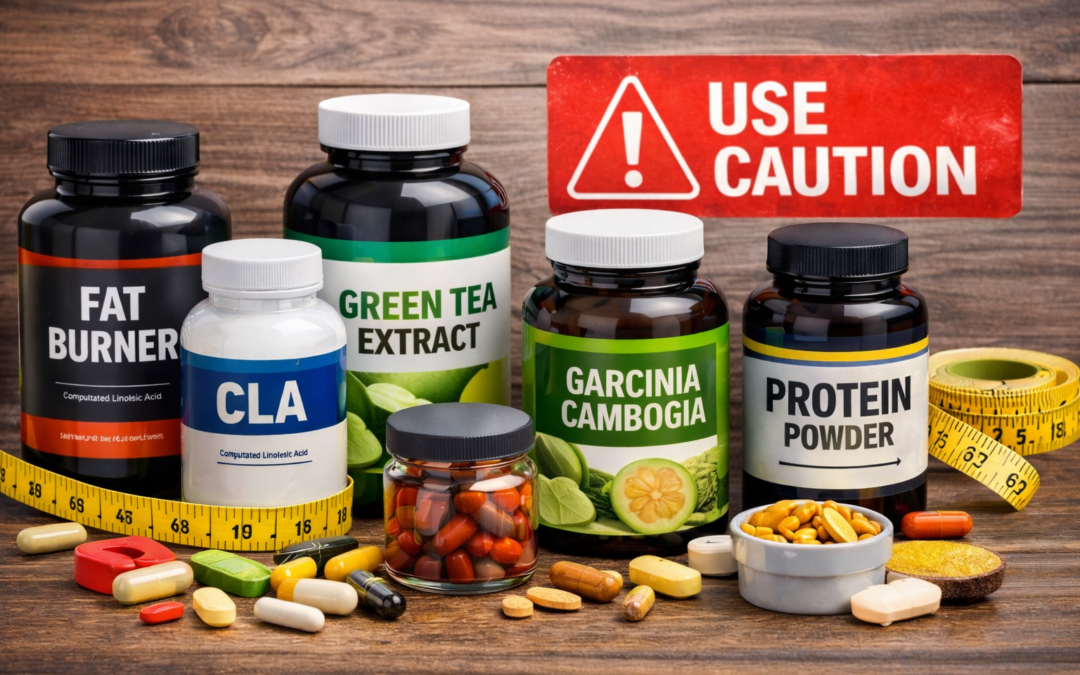
CLA, garcinia cambogia, chromium, and many “detox” blends are commonly marketed, but overall results are inconsistent and usually not impressive compared to basics like protein and calorie control. NIH’s ingredient-by-ingredient breakdown is a useful reality check.
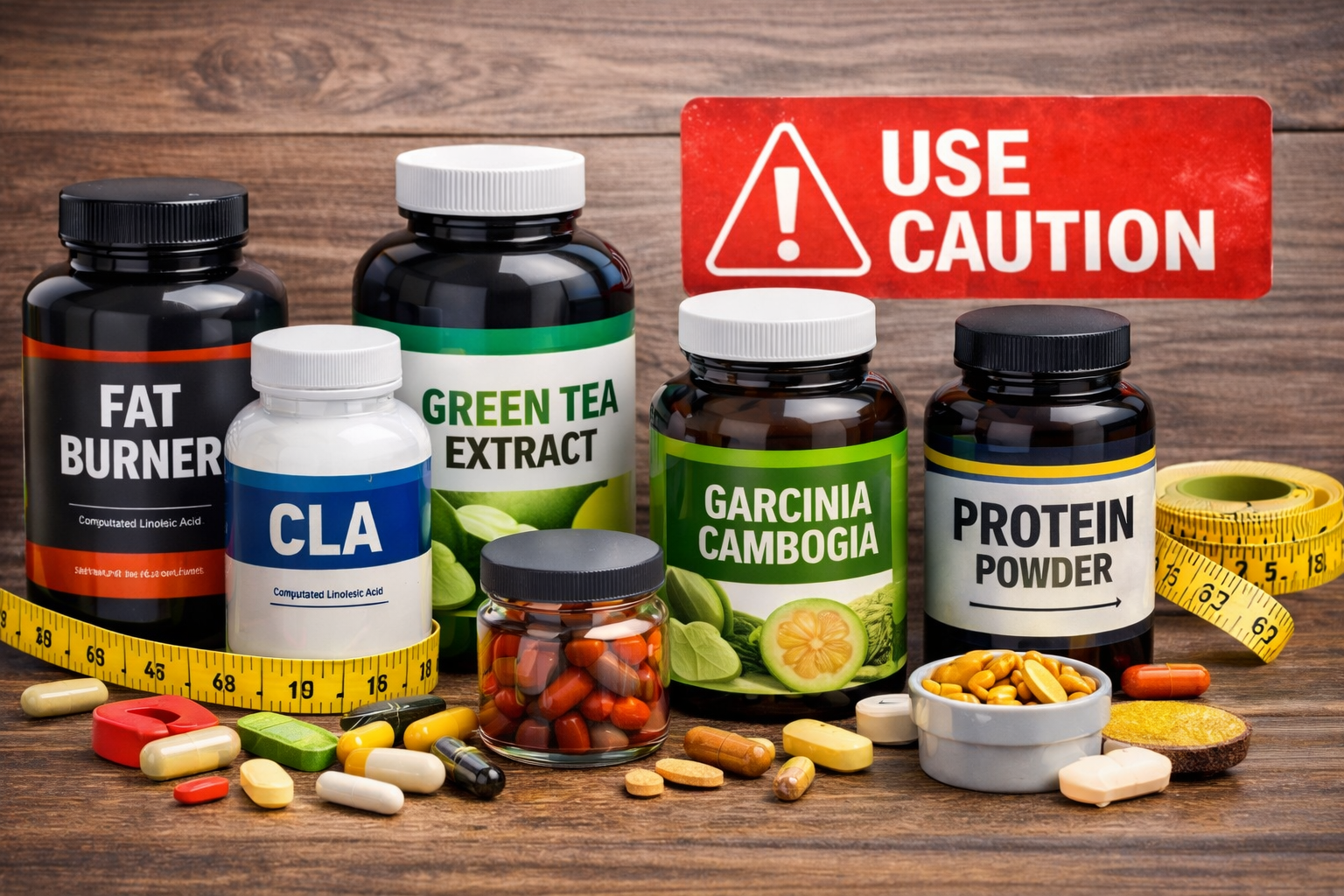
Table 1 (Quick Evidence Snapshot)
| Ingredient Category | What It May Help With | Evidence (Real-World) | Biggest “Watch-Out” |
|---|---|---|---|
| Protein powder | Satiety, muscle retention | Stronger support vs many OTC options | Added sugar, low protein per serving, GI upset |
| Fiber (psyllium-style or similar) | Fullness, meal control | Helpful for some; varies by ingredient | Bloating/constipation if low water |
| Green tea + caffeine | Slight appetite/energy lift | Often modest; mixed outcomes | Jitters, sleep disruption, BP/heart-rate issues |
| “Fat burner” blends | Marketing more than results | Often unclear or inconsistent | High stimulants, “proprietary blends” |
| “Detox”/cleanse products | Water-weight changes | Not meaningful fat loss | Dehydration, electrolyte issues |
What protein supplement is best for weight loss?
For most people, a whey-based option (especially whey isolate if you’re sensitive to lactose) is the most practical because it’s high-quality, mixes easily, and delivers a strong dose of protein per calorie. If you prefer plant-based, a pea or pea-rice blend can work well too.
The real “best” depends on your stomach, your schedule, and whether you’ll actually use it consistently. A protein powder that tastes decent and fits your day beats the “perfect” one that sits in the pantry.
How to choose yours in 30 seconds
✅ Aim for 25–35g protein per serving
✅ Keep sugar low unless it replaces a meal
✅ Pick a flavor you won’t hate in week 2
✅ If dairy bothers you, try whey isolate or plant protein
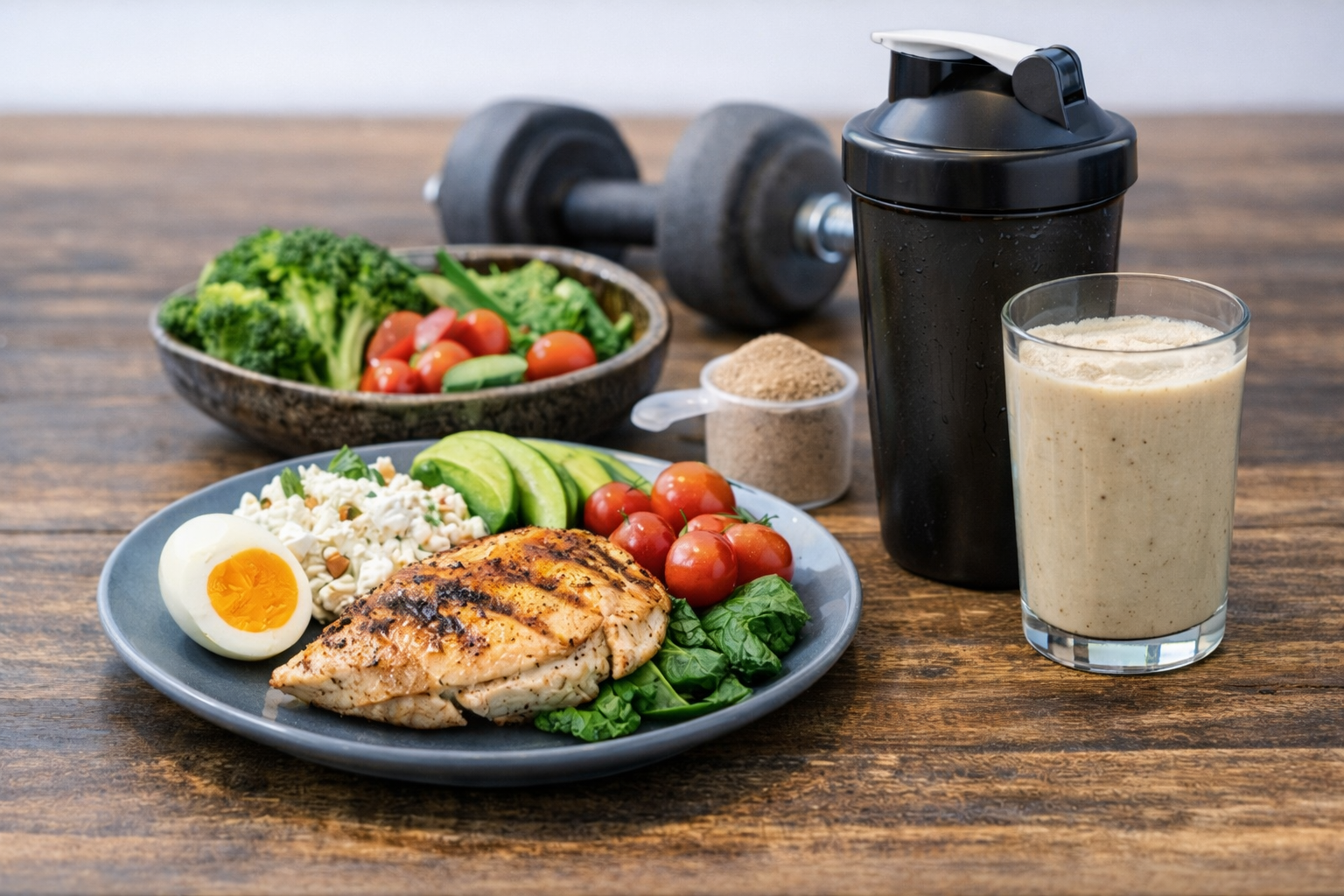
Table 2 (Protein Options Compared)
| Protein Type | Best For | Why People Pick It | Common Downside |
|---|---|---|---|
| Whey concentrate | Most budgets | Great taste, effective, widely available | Lactose sensitivity for some |
| Whey isolate | “Sensitive stomach” crowd | Lower lactose, usually higher protein % | Often costs more |
| Casein | Evening cravings | Slower digestion, may help overnight satiety | Thickness/texture not for everyone |
| Plant blends (pea/rice) | Dairy-free | Solid amino profile when blended | Can be gritty depending on brand |
| Collagen | Joints/skin goals | Mixes easily | Not a complete protein for muscle support |
How to Pick a Product Safely (This Matters More Than the Ingredient)
Quality and safety are where many people get burned. The FDA has repeatedly warned that some products marketed for slimming can be contaminated or contain hidden drug ingredients, and enforcement only catches a portion of what’s out there.
A simple safety checklist
✅ Look for third-party testing (USP, NSF, Informed Choice, or similar)
✅ Avoid “proprietary blends” that hide doses
✅ Be cautious with high stimulant claims (especially if you have anxiety or BP issues)
✅ Don’t stack multiple stimulant products in the same day
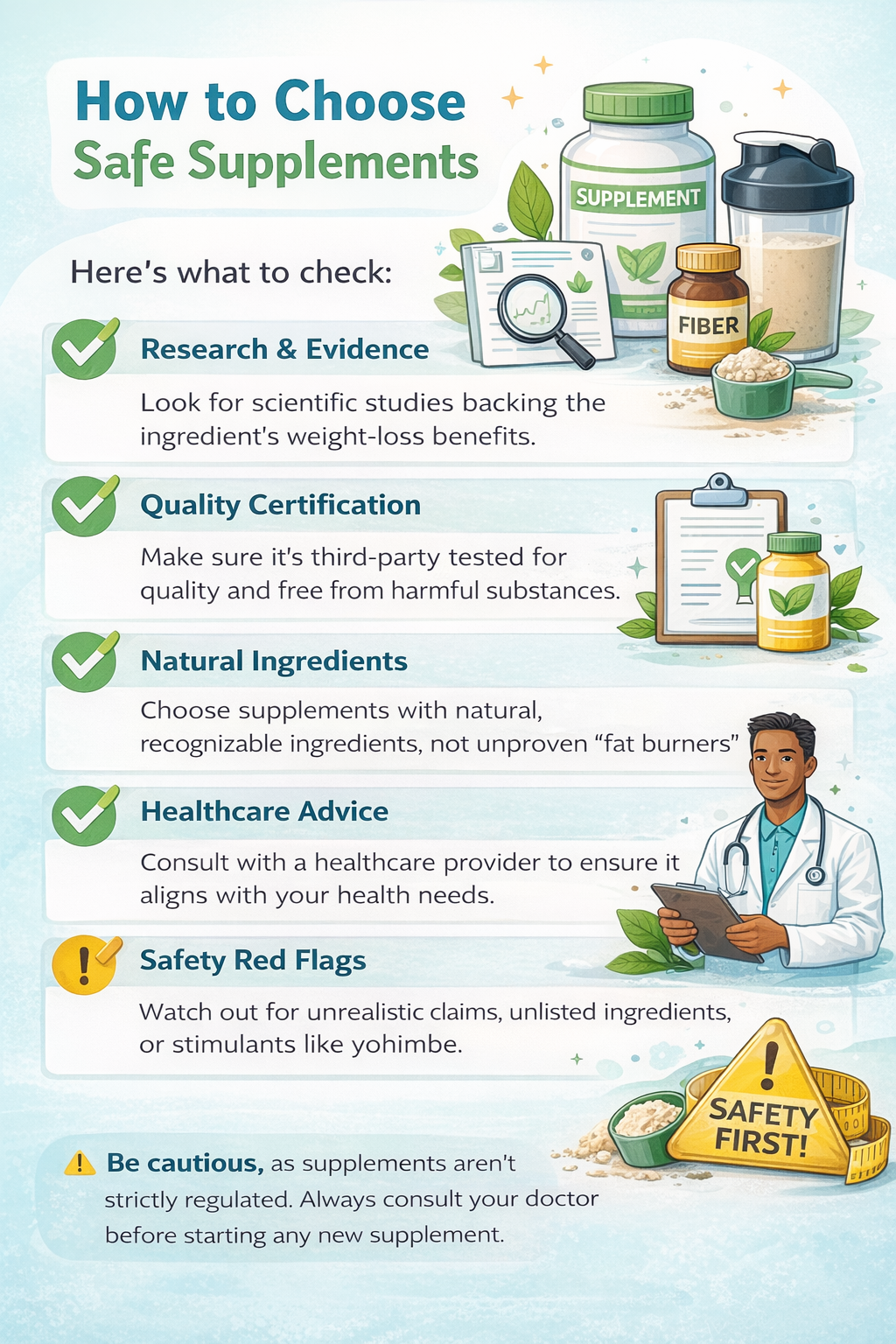
Red Flags That Mean “Don’t Buy This”
Here are the patterns that show up again and again with disappointing or risky products:
✅ Promises like “lose 10 pounds in a week”
✅ “Doctor endorsed” without any real citations
✅ Ingredients you cannot verify, or doses not listed
✅ Products sold only through sketchy ads or “limited-time” pressure
✅ Anything that feels like a stimulant bomb in a capsule
If you’re on medications (especially for blood pressure, mood, thyroid, or diabetes), it’s worth checking interactions before you add anything new. And if you have a history of heart rhythm issues or panic symptoms, stimulant-based products can be a hard no. NIH flags stimulant ingredients like bitter orange for a reason.
How to Use Supplements the “Right” Way (So They Actually Help)
The most common mistake is treating a product like it replaces a plan. Instead, think of it like a tool that supports one specific behavior.
Here’s a practical framework that works well for busy weeks:
✅ Use protein to “lock in” breakfast (shake + fruit, or shake + oatmeal)
✅ Use fiber only if it makes lunch and dinner easier to control
✅ Track results for 2 weeks, then keep or cut based on real outcomes
✅ If sleep worsens, scale back caffeine or stop it
A good supplement routine should make you feel more stable, not more wired, anxious, or bloated.
The Local Advantage in Greenville and Pitt County (When a Consult Beats Guesswork)
If you’re doing “most things right” and still stuck, the best next step is often assessment, not another product. A structured program can help you identify what’s actually driving the plateau, from inconsistent intake to stress eating to low protein to poor recovery.
📌 Compare options here: Weight Loss Programs: Compare Plans, Coaching & Pricing
📌 If cravings and plateaus are part of your story, you may also like: Understanding the role of insulin resistance in stubborn fat loss
📌 For a simple movement baseline: Weight loss benefits of walking every day
If you’re in Greenville, Winterville, Ayden, Farmville, or nearby, and you want a plan built around your life, you can request a consultation.
Safety Disclaimer
This article is for education only and is not medical advice. Supplements can interact with medications and may be unsafe for people who are pregnant, breastfeeding, under 18, or managing medical conditions. Individual results vary, and sustainable progress typically comes from consistent calorie control, protein intake, movement, and sleep. The clinic’s own scheduling disclaimer notes typical results vary and emphasizes that calorie restriction is required for weight change.
Final Takeaway on weight loss supplements
The smartest approach is simple: use supplements only to support a behavior you already know you need, like hitting protein or controlling hunger, and skip anything that relies on hype, stimulants, or hidden blends. If you want faster clarity and a plan that fits real life in Greenville and Pitt County, a consult can save you months of trial and error.
Frequently Asked Questions
What is the best supplement for weight loss?
There isn’t a single “best” weight-loss supplement, and most products have little scientific evidence behind them. If you want something with the best safety-to-benefit tradeoff, look for supplements that support fullness and consistency rather than “fat burning,” such as a simple fiber supplement, and be cautious with stimulant-heavy blends. Even then, expect only small results compared with a calorie deficit, protein intake, and regular activity. Avoid products that promise effortless or rapid weight loss—some have been found tainted with hidden drug ingredients. Talk with a clinician if you take meds or have heart/liver issues.
How to lose 20 pounds in a month?
Losing 20 pounds in a month is unusually fast for most people and can be unsafe or lead to rebound weight gain. Public-health guidance generally recommends aiming for a gradual pace of about 1–2 pounds per week, which is more sustainable. The practical path is a consistent calorie deficit you can maintain, prioritizing high-protein meals, strength training to protect muscle, daily movement, and adequate sleep. If you’re losing weight very rapidly, have a high starting weight, or have conditions like diabetes, it’s best done with medical supervision to reduce risks.
Which supplement is best for fat loss?
No supplement selectively “melts fat” in a meaningful way; at best, some can slightly increase energy expenditure or reduce appetite. Green tea extract (catechins plus caffeine) shows small, modest effects in some studies, but the impact is usually not clinically dramatic. It also isn’t risk-free—green tea extract has been linked to liver issues in some people, especially at higher doses, so it’s a poor choice if you have liver disease or you’re using multiple supplements. If you use it at all, choose conservative dosing and stop if symptoms appear.
What supplements help with weight loss?
A few ingredients may help a little by making it easier to eat less or stick to a plan, but the overall evidence for “weight-loss supplements” is weak. The most plausible helpers are simple, single-ingredient options that support satiety or mild energy expenditure, such as certain fibers or modest caffeine/tea-based products, and the expected change is typically small. Be extra cautious with multi-ingredient “fat burners,” since labels may not fully reflect what’s inside, and some products can interact with medications. If you have high blood pressure, diabetes, or take prescriptions, check with a clinician first.
Best supplements for weight loss?
The “best” supplements are the ones that are safest and most likely to help you stay consistent, because sustainable habits drive most results. NIH guidance notes there’s little solid evidence that most weight-loss supplements work, and some can be harmful or interfere with medications. If you still want one, favor single-ingredient products with a clear dose and reputable third-party testing, and treat any benefit as a small boost—not the main engine. For many people, spending the effort on diet structure, protein, steps, and strength training beats experimenting with expensive blends.
What supplements aid weight loss?
Supplements that “aid” weight loss usually do so indirectly—by supporting fullness, energy, or adherence—rather than causing fat loss on their own. Be skeptical of anything that claims you’ll lose weight without diet or exercise; regulators warn that weight-loss products are sometimes adulterated with undeclared drug ingredients, which can be dangerous. If you’re in the Philippines, the FDA regularly posts public warnings against unregistered “fat burner” supplements, which is another reason to stick to reputable brands and simple formulations. If you need significant weight loss, discuss evidence-based options with a healthcare professional.