

Weight Loss Programs in Greenville, NC: Compare Coaching, Accountability, and Pricing
Weight loss programs work best when you choose a plan that matches your lifestyle, medical needs, and budget. The “best” option is the one you can follow consistently with real accountability and a clear structure.
If you live in Greenville, Winterville, Ayden, Farmville, or anywhere in Pitt County, the biggest challenge is rarely knowing what to do. It’s doing it on busy weeks, during travel, at dinner out, and when motivation drops.
This guide compares common plan styles, what coaching actually changes, what pricing usually includes, and how to pick the best fit for your goals.

Which Option Is Usually Best?
If you want the most reliable results, look for a plan that combines structured plans + coaching + accountability + progress tracking. That mix covers the two reasons most people stall: they do not adjust the plan when life changes, and they do not have a system for “off days.”
Here’s the simple rule that works for most people:
✅ If you need structure and consistency: choose coaching with weekly check-ins
✅ If you need medical oversight: choose a clinic-based option with screening and monitoring
✅ If you want the lowest cost: choose a basic plan, but add an accountability layer (friend, group, or coach)
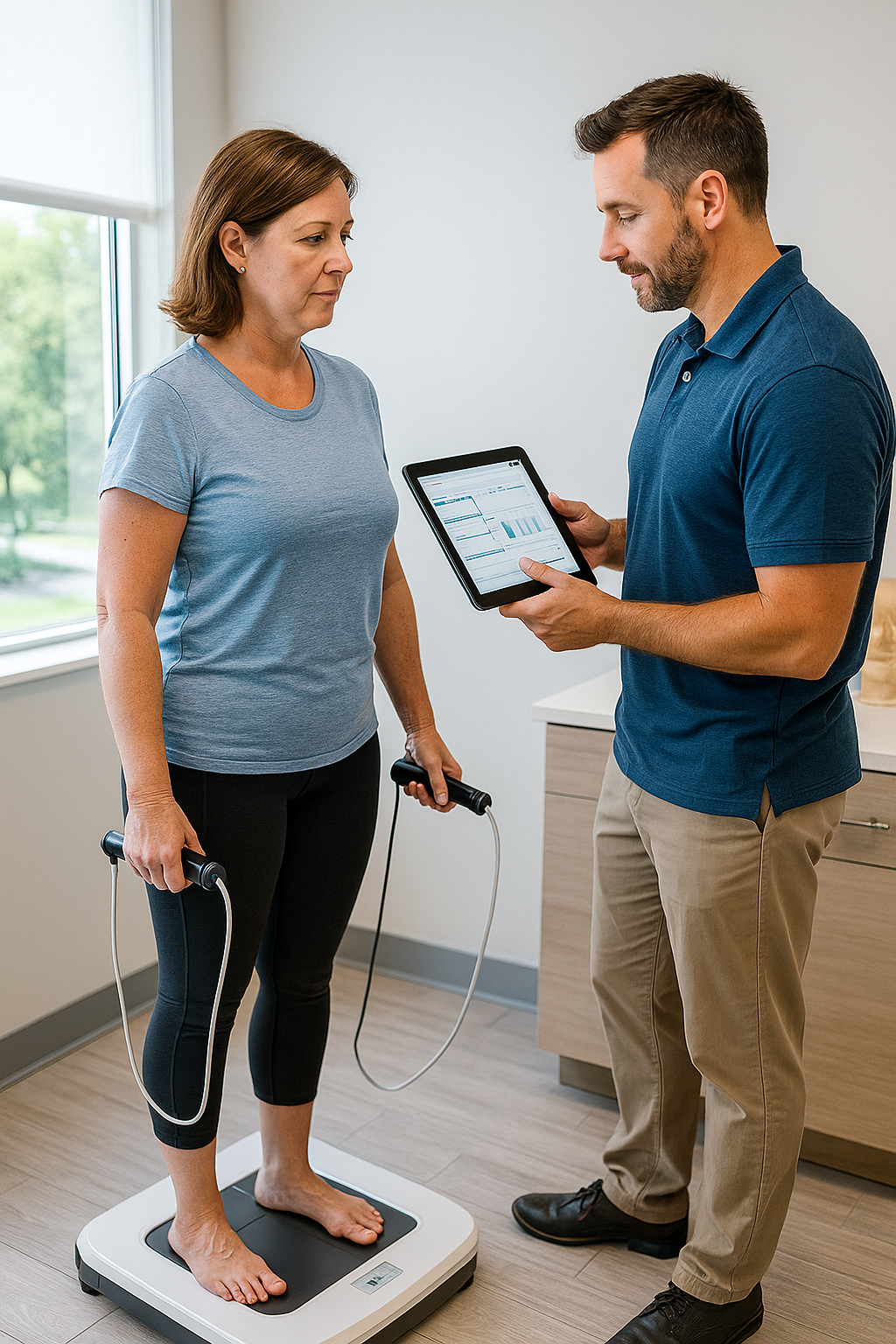
East Carolina Weight Loss promotes a free 60-minute consultation plus a full body composition scan and offers in-office or fully virtual options, which is a strong setup for people who want structure without guessing.
What a Real Program Should Include (Not Just a Meal List)
A lot of plans fail because they are built like a worksheet instead of a system. You get a “perfect week” plan, then real life hits and nothing tells you how to adapt.
A strong option typically includes:
Coaching that changes the plan as you change
Coaching is not motivation speeches. Good coaching is decision support:
-
what to eat when your schedule flips
-
what to do when the scale stalls
-
how to handle restaurants and weekends
-
how to keep muscle while you lose fat
East Carolina Weight Loss highlights weekly coaching and adjustments tied to progress data, including scan-driven targets like calories and protein.
Accountability you cannot “opt out of”
Accountability is the difference between “I’ll start Monday” and “I did the minimum today.”
Practical accountability looks like:
✅ a scheduled weekly check-in (virtual or in-person)
✅ a simple tracking system that does not take over your life
✅ a plan for high-risk moments (late-night snacking, stress eating, social events)
If you are comparing options, ask: “What happens when I miss a week?” The best systems are designed for imperfect consistency, not perfection.
Structured plans that are simple enough to repeat
A structured plan is not rigid. It is repeatable.
A repeatable plan usually includes:
-
2–3 go-to breakfasts
-
3–5 “default” lunches you can rotate
-
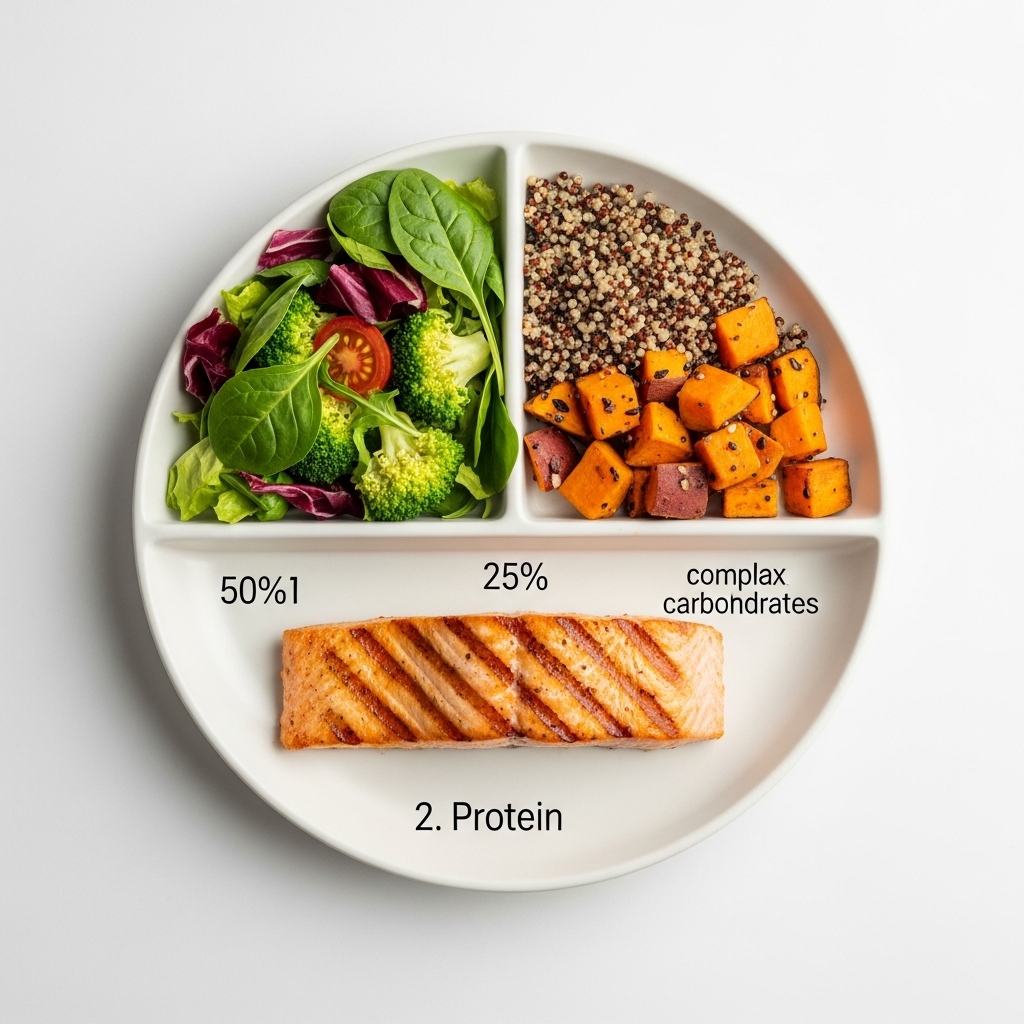
a dinner structure (protein + produce + smart carb)
-
a snack rule you can apply anywhere
This is why “structured plans” often beat complicated meal plans: you can actually do them during busy weeks.
Comparison Table: Common Paths and Who They Fit
Quick Comparison Table: Plan Styles
Plan Style
What You Usually Get
Best For
Accountability Level
Typical Monthly Cost Range (USD)*
Self-guided app or DIY macros
Tracking tools + generic targets
Highly motivated, experienced dieters
Low
$0–$30
Commercial group program
Weekly meetings + points system + community
People who like groups and routine
Medium
$20–$60
Medication-only approach
Prescription + occasional follow-ups
Those medically eligible who also have lifestyle support
Varies
Medication costs can be high out-of-pocket (often hundreds to over $1,000/month depending on drug, dose, insurance, and savings programs)
Clinic-based coaching + progress tracking
Coaching + structured plan + progress metrics (often scans)
Busy adults who want guidance and adjustments
High
Common coaching packages range widely (often $200–$600/month depending on frequency and support)
*Costs are general market ranges, not a quote for any specific clinic. Many clinics (including ECWL) review pricing after learning your health history and goals during a consultation.
Coaching vs “Just a Plan” (Why It Matters More Than People Think)
Most people do not fail because they lack information. They fail because they run into predictable friction points:
-
hunger spikes at 3–5 pm
-
weekend calories erase weekday deficits
-
plateaus happen and people panic-change everything
-
stress and sleep disruption drive cravings
-
travel and dining out break routines
Coaching helps because it creates a feedback loop. You try the plan, you get data, then the plan is adjusted before you lose momentum.
A useful example (common in Pitt County schedules):
A nurse in Greenville works three 12-hour shifts. On shift days, meals are rushed and hydration is low. A generic plan says “eat clean.” A coached plan says:
-
pack two protein-forward meals that tolerate reheating
-
set a hydration minimum before 2 pm
-
choose one cafeteria fallback meal that fits your targets
-
use a 10-minute walk after dinner on off days to keep steps steady
That is the difference between advice and execution.
📌If you want a “no-shots” support-style approach to appetite and habits, see the related guide on GLP-1 alternatives.
Pricing: What You’re Really Paying For
People usually compare price tags, but the better comparison is what the price includes.
Here’s what tends to drive cost differences:
What’s included (and what’s not)
-
Initial consult time and screening
-
Ongoing coaching frequency (weekly vs monthly)
-
Progress tracking method (scale only vs body composition)
-
Between-visit support (text, app messaging, check-ins)
-
Education tools (meal guides, grocery swaps, restaurant strategies)
ECWL notes that pricing varies by plan length and visit cadence and mentions some clients use HSA/FSA for coaching or scans (benefits vary by plan).
Table: Cost Components to Ask About Before You Join
Budget Clarity Table: What to Ask
Cost Component
Ask This Question
Why It Matters
Consultation and assessment
Is the consult free and does it include a scan or testing?
Upfront clarity prevents surprise add-ons
Coaching frequency
How often are check-ins and how long are they?
Weekly accountability usually beats monthly for consistency
Tracking and tools
Do you track only weight, or body fat and muscle too?
Scale-only progress can hide muscle loss and plateaus
Plan personalization
Is it a template plan or customized to my schedule and preferences?
Customization is what makes plans sustainable
Medication costs (if applicable)
What is the expected range with my insurance?
GLP-1 medications can vary widely in out-of-pocket cost
If a clinic will not give a number before they learn your health history and goals, that is not automatically a red flag. ECWL’s FAQ explicitly says they cannot provide costs without knowing more about you and that they offer a free consultation to match you to the right plan.
How to Choose the Best Option for You (Why, How, Which)
Why your “best fit” depends on your bottleneck
Most people fall into one main bottleneck:
-
Knowledge bottleneck: you do not know what to eat
-
Structure bottleneck: you know, but you do not execute consistently
-
Medical bottleneck: health factors make progress harder without clinical guidance
-
Accountability bottleneck: you do better when someone checks in
Once you know your bottleneck, the best weight loss program becomes obvious: you choose the plan type that fixes it.
How to pick in 10 minutes (a practical checklist)
✅ If you have tried multiple plans and regain is the pattern, prioritize coaching and accountability
✅ If hunger is the main issue, ask about appetite and habit strategies (not just willpower)
✅ If you have insulin resistance, PCOS, menopause changes, or other metabolic factors, ask about medical screening and monitoring
✅ If you hate tracking, choose a plan built on repeatable meals and simple rules
✅ If time is the barrier, choose a plan that offers virtual check-ins and clear defaults
Which option is often “best” for busy adults in Pitt County?
For most busy adults, the strongest overall value is usually a coached plan with weekly accountability and progress tracking (especially if it tracks more than the scale). That format reduces drop-off and helps you adapt in real time.
ECWL describes weekly coach adjustments and the use of body composition data to personalize targets like calories and protein, which is exactly the kind of structure that helps prevent stalls and guesswork.
What a First Month Can Look Like With a Clinic-Based Plan
Even if you go fully virtual, a well-run program typically follows a simple cadence:
Week 1: Assessment + plan you can repeat
-
health and goal review
-
baseline measurements and scan (if used)
-
choose your “default meals” and grocery swaps
-
set your first 7-day action plan
ECWL promotes a free consult and scan as part of getting started.
Weeks 2–4: Adjustments, not reinvention
This is where most people win or quit.
Instead of rebuilding the entire plan, you adjust one lever at a time:
-
protein consistency
-
steps or activity minutes
-
portion sizing
-
sleep routine
-
weekend structure
📌Want to see how the process is laid out from start to weekly follow-ups? Check “How it works.”
“Lose 20 Pounds in a Month” (What’s Realistic and What’s Risky)
Losing 20 pounds in a month is possible for some people, but it is not a safe or realistic target for most. A lot of rapid early loss is water and glycogen, and aggressive restriction can increase fatigue, cravings, and rebound eating.
Public health guidance commonly recommends aiming for gradual loss, often around 1–2 pounds per week, because it is more likely to stay off.
If you are set on a fast timeline, the safer approach is to focus on “high-impact basics” for 2–4 weeks:
-
protein at each meal
-
consistent sleep window
-
daily steps baseline
-
lower ultra-processed foods
-
planned meals for weekends
If you have a medical condition (or are on medications), do this with clinician guidance.
Medication Questions People Ask (Including Celebrity Headlines)
Medication can be appropriate for some patients, especially when paired with lifestyle support. It is not a shortcut, and it is not right for everyone.
“What is the strongest weight loss prescription pill?”
There is no single “strongest” pill for everyone because effectiveness and tolerability vary by person, and some of the most effective obesity medications are injectables rather than pills.
For chronic weight management, U.S. government and obesity-medicine references commonly list FDA-approved options such as orlistat, phentermine-topiramate, naltrexone-bupropion, liraglutide, semaglutide, and tirzepatide (among others depending on eligibility).
The safest next step is discussing risks, benefits, side effects, and contraindications with a licensed clinician who can review your history and labs.
“What did Kelly Clarkson use for weight loss?”
Publicly, Kelly Clarkson has said her weight loss involved a prescription medication that is not Ozempic and that it “helps break down sugar,” and she framed it as a health-driven decision after concerning bloodwork. She has not publicly confirmed the exact medication name.
If you see people online claiming they know the exact drug, treat that as speculation unless it is directly confirmed by her or a reliable primary interview.
“What is the 3 3 3 rule for weight loss?”
The problem is: “3 3 3” does not have one universal meaning. Different creators use different versions.
One common “3×3” version described in mainstream health coverage is a morning routine: 3,000 steps, one-third of your daily water, and 30 grams of protein before noon.
These rules can be helpful as habit starters, but they are not a complete plan. If you want real progress, you still need a weekly calorie balance, protein consistency, and a strategy for weekends.
Local Note: Why In-Person (or Local Virtual) Support Helps in Eastern NC
If you are in Greenville, Winterville, Ayden, Farmville, or elsewhere in Pitt County, local support can be a practical advantage:
-
easier consistency with appointments
-
routines built around local schedules and commute patterns
-
local walking routes and activity options (parks, greenways, neighborhood loops)
-
community accountability that feels real
Some people do perfectly well with an app. But if you have tried solo plans and keep bouncing back, local coaching support can be the missing piece.
Next Step: Choose a Plan You Can Follow (and Get Clarity Fast)
You do not need a perfect plan. You need a plan that fits your life and has enough accountability to keep you consistent.
If you want help comparing your options and choosing the best fit, a consult is the fastest way to get clarity on what to do next, what to prioritize, and what to expect based on your starting point.
When you’re ready, book a consult and get a clear starting plan. weight loss programs are much easier when you are not guessing.
Frequently Asked Questions
What is the highest rated weight loss program?
The highest rated option is usually the one you can follow consistently, not the one with the most hype. “Ratings” vary depending on what people measure (speed, support, simplicity, long-term maintenance). In real life, programs tend to score highest when they include coaching, a structured plan, and accountability, because those features reduce drop-off during stressful weeks. If you want a practical way to judge quality, ask about weekly support, how progress is tracked (scale-only vs body composition), and what happens when you plateau. Then compare that to your past sticking points.
What is the most effective weight loss programme?
The most effective plan is the one that creates a steady calorie deficit while protecting muscle and staying sustainable. Rapid, extreme methods can work short term but often backfire with rebound hunger and regain. Evidence-based guidance commonly supports gradual loss for long-term maintenance, and many people do best when they combine nutrition changes, activity they can repeat, and behavior support. If you have metabolic resistance (insulin resistance, menopause changes, medications), effectiveness may also require medical screening and a plan that adapts over time.
How can I lose 20 pounds in a month?
For most people, losing 20 pounds in a month is not a safe or realistic goal. Some individuals may see large early drops from water weight, especially if they start from a higher weight or dramatically reduce sodium and ultra-processed foods. But sustained fat loss at that pace can be risky and may increase fatigue, cravings, and muscle loss. Public guidance often recommends aiming for slower, steadier loss (commonly around 1–2 pounds per week) because it is more likely to stay off. If you are determined to move quickly, do it with clinician oversight and focus on high-impact habits: protein at each meal, daily steps, sleep consistency, and planned weekends.
What did Kelly Clarkson use for weight loss?
Kelly Clarkson has said she used a prescription medication, but she did not name it publicly and emphasized it was not Ozempic. She described it as something that helps her body process or “break down” sugar and said it was tied to health markers from bloodwork. Some coverage explains that she has not disclosed the specific drug, so any exact-name claims are guesswork unless directly confirmed in a primary interview. If you are considering medication, the right choice depends on your medical history, risks, and monitoring plan, so it should be a clinician-led decision.
What is the 3 3 3 rule for weight loss?
“3 3 3” can be a helpful habit framework, but the definition varies depending on who you follow. One mainstream-described “3×3” version focuses on morning momentum: 3,000 steps, one-third of your daily water, and 30 grams of protein before noon. The benefit is that it front-loads movement and nutrition, which can reduce cravings later. The limitation is that it is not a full strategy for calorie balance, weekends, or plateaus. If you like this style, treat it as a daily starter habit, then build the rest of your plan around repeatable meals and weekly accountability.
What is the strongest weight loss prescription pill?
There is no single strongest pill for everyone, and many of the most effective obesity medications are not pills. Effectiveness depends on your health profile, side effects, and what you can stay on safely. Government and obesity-medicine references list several FDA-approved medications for chronic weight management (examples include orlistat, phentermine-topiramate, naltrexone-bupropion, liraglutide, semaglutide, and tirzepatide). The best next step is a clinician conversation that covers contraindications, monitoring, and how lifestyle support will be paired with medication to reduce regain risk.