

Behavior & Mindset for a Weight Loss Plateau: Stress Eating Help + Sustainable Habit Plan
A weight loss plateau is when your weekly weight trend stays flat for about 2 to 4 weeks despite consistent nutrition and activity.
In Greenville and across Pitt County, the fastest way through a stall is usually less stress eating, better sleep, and a simple habit reset, not harsher dieting.
If you are doing “the right things” and the scale will not move, you are not broken. Most stalls are either normal scale noise (water, stress, sodium, soreness) or a sign your current routine needs a small update.
This guide focuses on behavior and mindset first, then gives you a clear, sustainable plan you can actually follow in real life in Greenville, Winterville, Ayden, Farmville, and beyond.

Why your “stall” is not a failure (and why your brain makes it feel personal)
A flat scale can trigger an instant story: “Nothing works for me.” That story makes sense emotionally, but it is rarely accurate.
Here is what often happens instead:
-
Your body holds more water after salty meals, poor sleep, hard workouts, travel, or stress.
-
Your digestion changes with fiber swings, menstrual cycles, or new supplements.
-
Your daily movement quietly drops (less walking, fewer steps, more sitting), even if workouts stay the same.
The mindset shift that helps most: treat a stall as feedback, not a verdict. You do not need to “try harder.” You need to adjust the system so consistency becomes easier.
✅ Practical tip (2 minutes): switch from “daily scale results” to a 7-day trend. Weigh at the same time each morning, then compare weekly averages. This reduces panic and helps you notice real progress.
Table: Scale noise vs. a true stall (what to check before changing your plan)
| What you notice | Most likely cause | What to do for 7 days |
|---|---|---|
| Weight is up 1–4 lb overnight after restaurant meals | Sodium + water retention | Keep meals normal, drink water, return to usual routine |
| Weight is flat but waist feels looser / clothes fit better | Fat loss + water shifts | Keep going, track waist 1x/week |
| Weight is flat right after adding lifting or harder cardio | Soreness/inflammation + glycogen | Stay consistent, do not slash calories |
| Weight is flat and weekends feel “loose” | Untracked extras add up | Do one “audit week” of accurate tracking |
| Weight is flat and hunger is rising | Sleep/stress + low protein/fiber | Fix sleep window + add protein to meals |
How many weeks is considered a weight-loss plateau?
Most people start calling it a plateau when the trend (not one weigh-in) has not changed for about 2 to 4 weeks, assuming your habits have been consistent. If you are only looking at daily numbers, you can miss progress because water shifts can hide fat loss.
A useful rule for real life: if you have been consistent for 14 days and nothing is changing, do not jump to extremes. Instead, run a simple check:
The 4-point consistency check (no guilt, just data)
-
Weekends: do Saturday and Sunday match your plan “enough”?
-
Liquid calories: are coffees, sweet tea, alcohol, or “healthy smoothies” creeping in?
-
Protein + fiber: are you hitting a solid amount at each meal (not just at dinner)?
-
Steps: did your daily movement quietly drop?
If even one is off, your body may not need “more discipline.” It needs a plan that fits your schedule.
Stress eating is the hidden plateau amplifier (especially in busy seasons)
In Eastern NC, life is not calm by default. Work stress, family responsibilities, long commutes, and inconsistent sleep can turn “normal hunger” into “I need something now.”
Chronic stress can push cravings higher and make decision-making harder at night. It can also disrupt sleep, which then makes appetite regulation harder the next day.
The key behavior point: stress eating is usually not about food knowledge. It is about relief.
A simple “relief replacement” that works better than willpower
Instead of trying to erase the urge, redirect it:
-
Name it: “This is stress, not starvation.”
-
Delay 5 minutes: set a timer.
-
Do one relief action: water + short walk, shower, 10 slow breaths, or a quick stretch.
-
Then decide: if you still want food, eat a planned snack at a table.
This reduces “auto-eating” without turning food into a moral issue.

📌 Related support reading (blog): Stress eating tips and support
The weight-loss plateau diet (what to change without going extreme)
If you cut harder and harder, you often get one of two outcomes: short-term scale movement followed by rebound, or burnout that makes consistency impossible. Mayo Clinic’s plateau guidance is clear that reassessing habits and making targeted adjustments beats crash dieting.
Here are the “small levers” that tend to matter most:
1) Protein at breakfast and lunch (not just dinner)
Many people in a stall eat light early, then get ravenous at night. A more stable pattern is protein earlier in the day so cravings do not drive decisions later. This also supports muscle retention while losing weight.
2) Fiber volume without calorie overload
Use lower-calorie, higher-volume foods (vegetables, fruit, broth-based soups) to feel full on fewer calories.
3) Keep the deficit reasonable
Gradual loss (often around 1–2 lb/week for many people) is associated with better long-term maintenance than rapid loss.
✅ Practical Greenville tip: if your “problem window” is after dinner, do not start by cutting breakfast. Start by making evenings easier: planned snack, earlier bedtime, and fewer trigger foods visible.
How to break a weight-loss plateau (without obsessing): a 7-day sustainable habit plan
This is not a “detox.” It is a reset to make your plan measurable again.
Step 1 (Days 1–2): Run an “audit week” without perfection
Track honestly for two days. You are not trying to restrict more. You are trying to see where the invisible extras are (oils, sauces, bites, sugary drinks, weekend grazing). This “reality snapshot” is a classic plateau breaker because it replaces guessing with clarity.
Step 2 (Days 3–4): Add structure where you struggle most
If nights are hard, plan a snack.
If lunch is random, pick two repeatable lunches.
If weekends drift, set one simple boundary (example: protein-forward breakfast + one planned treat).
Step 3 (Days 5–6): Increase daily movement, not punishment workouts
Do not assume you need more intense workouts. Often, you need more total movement (steps, short walks, “stand and move” breaks). This supports energy balance without making you hungrier the way hard cardio sometimes can.
Step 4 (Day 7): Review trends, not emotions
Compare:
-
weekly average weight
-
waist measurement
-
cravings and sleep quality
-
how consistent you actually were
Then make one adjustment for week two.
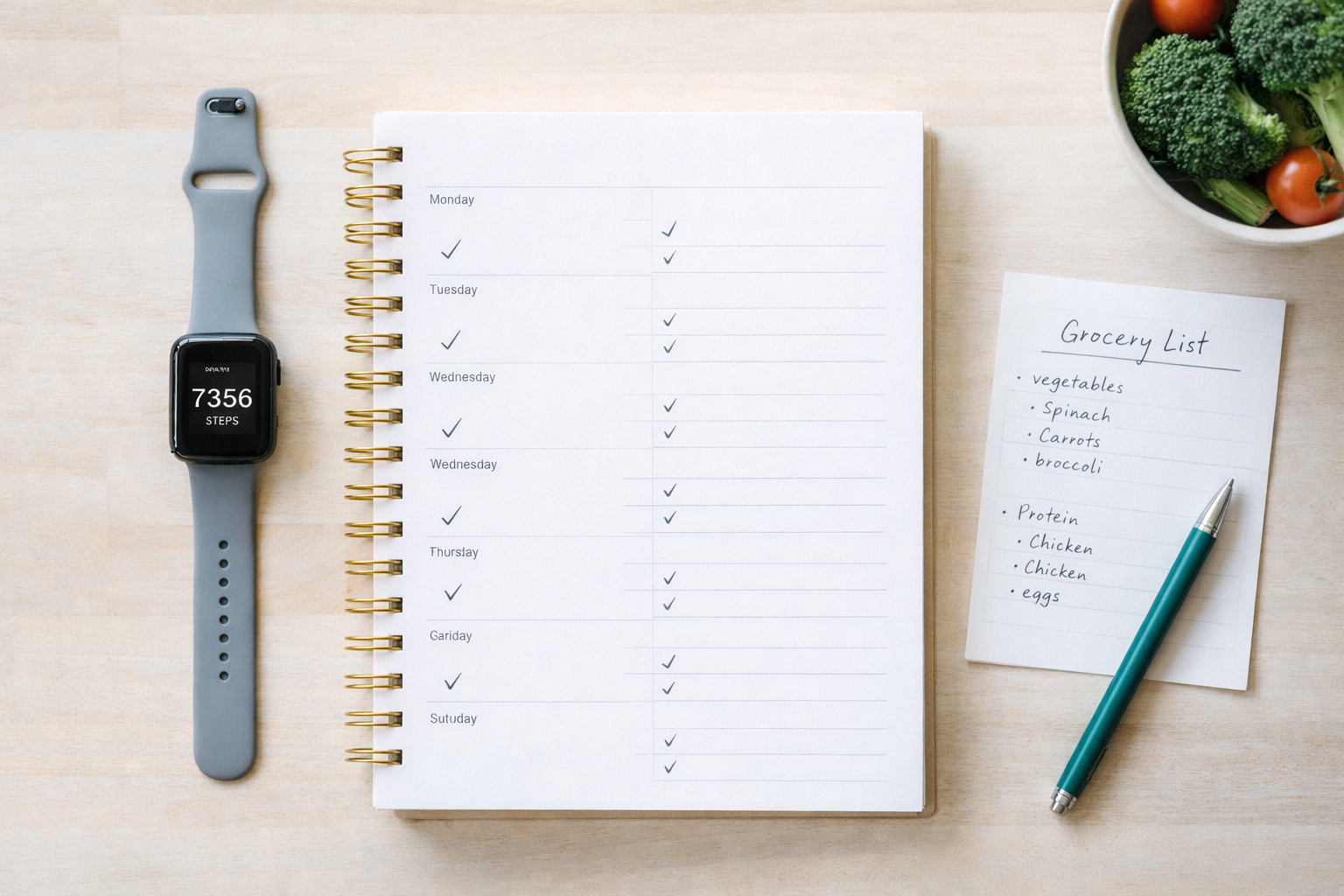
Table: 7-day habit reset you can repeat (busy-life friendly)
| Day | Focus | What to do | What to track |
|---|---|---|---|
| 1 ✅ | Baseline | Weigh + take waist measurement | Weight + waist |
| 2 ✅ | Audit | Track meals honestly (no judgment) | “Extras” (drinks, bites) |
| 3 ✅ | Protein | Add protein to breakfast + lunch | Hunger 1–10 |
| 4 ✅ | Volume | Add 2 cups vegetables or fruit | Fullness 1–10 |
| 5 ✅ | Steps | Add one 10–15 min walk | Step count |
| 6 ✅ | Sleep | Pick a consistent bedtime window | Hours slept |
| 7 ✅ | Review | Compare weekly averages + patterns | What worked / what didn’t |
Which option is best for you in Pitt County? (self-reset vs. coaching vs. clinic support)
Not everyone needs the same level of support. The best option is the one you will actually follow.
Option A: Self-guided reset
Best if you are generally consistent and just need a simple system update. Use the 7-day plan above, then repeat for two more weeks.
Option B: Coaching support
Best if your biggest issue is stress eating, late-night snacking, or inconsistency that shows up when life gets busy. Weekly accountability can reduce the mental load and keep you from overcorrecting. (Service page) Weight loss coach in Greenville, NC
Option C: Clinic-based program
Best if you want structured monitoring, body composition tracking, or you have a complex history and want more guidance. (Service page) Weight loss programs and options
📌 Related support reading (blog): Mindful eating for cravings and consistency
When to talk to a coach (Greenville, Winterville, Ayden, Farmville)
Consider reaching out if:
-
you are consistent “most days,” but evenings or weekends keep undoing progress
-
you feel stuck in cravings or stress eating patterns
-
you want a plan that fits real life, not perfection
-
you want help deciding what to adjust first so you stop spinning your wheels

Next steps for your weight loss plateau in Greenville, NC
You do not need a harsher plan. You need a clearer one.
Start with the table check (noise vs. true stall), run the 7-day reset, and measure progress with weekly averages and waist, not daily emotion. If stress eating is the real bottleneck, get support earlier rather than later, because behavior change is easier when you are not doing it alone.
Frequently Asked Questions
What is the 3 3 3 rule for weight loss?
“3-3-3” isn’t a single official rule; it’s a social-media shorthand that can mean different things depending on the source. One common version is a habit framework like eating 3 structured meals, spacing them about 3 hours apart, and pairing that structure with consistent hydration and daily movement. Another version is a simple workout format built around 3 circuits, 3 exercises per circuit, and 3 rounds. The idea is consistency and simplicity, but fat loss still comes mainly from sustaining a calorie deficit over time.
How to break the plateau in weight loss?
Most plateaus come from “calorie creep,” reduced non-exercise movement as you get lighter, and normal metabolic adaptation, so the fix is usually to tighten feedback and make a small change. Re-check portions and liquids, track a week of intake honestly, and adjust your deficit slightly rather than making a huge cut. Then change the stimulus: add steps or minutes of easy cardio, and keep (or add) strength training so you maintain muscle while dieting. Sleep and stress also matter because they can drive hunger and reduce adherence.
What is the 2 2 2 rule for weight loss?
Like 3-3-3, “2-2-2” is overloaded online, but the most referenced meaning is the “2-2-2 method” tied to Dr. Ian K. Smith’s “Met Flex” approach: two meal styles (higher-fat vs higher-carb), two accountability habits (like weigh-ins and journaling), and two workout styles (often HIIT/bodyweight) packaged into a short program. Separate from dieting, some people also use “2-2-2” to describe a minimalist strength routine (two workouts per week, two sets per compound lift). Evidence is stronger for the basics (calorie control, protein, lifting, consistency) than for the “2-2-2” label itself.
How long does a weight-loss plateau usually last?
A true plateau is typically when your trend weight hasn’t moved for at least a few weeks, not just a couple of “stuck” weigh-ins caused by water retention. Some sources describe plateaus lasting a minimum of about four weeks, and they can stretch to months depending on adherence, stress, sleep, and how aggressive the diet is. Research modeling of low-calorie dieting also shows plateaus can appear around the 6-month mark even with high adherence, which is one reason progress often slows later in a cut. If nothing changes for 4+ weeks, it’s usually time to adjust intake, activity, or tracking accuracy.
Can a cheat day break a plateau?
Sometimes people see a “whoosh” after eating more, but that’s often glycogen and water shifting on the scale, not instant fat loss. Most credible takes call this an area of debate: a planned, controlled higher-calorie meal or short diet break may help adherence and training performance for some people, but an uncontrolled “cheat day” can erase your weekly deficit and extend the plateau. If you try it, think “planned refeed within your weekly budget,” not a free-for-all, and judge results by a 7–14 day weight trend rather than the next morning’s scale number.
What is the hardest stage of weight loss?
For many people, the hardest stage is the later “slow loss” phase after the initial drop, because progress becomes less linear and plateaus are more common. Popular education sources describe this second stage as tougher partly because your body adapts: energy expenditure can fall as you lose weight, and appetite can rise, making the same plan feel harder to stick to. It’s also the stage where you’re more likely to get discouraged by normal fluctuations. The practical answer is that the “hardest stage” is when motivation fades, so routines (protein, steps, strength training, sleep) matter more than willpower.