
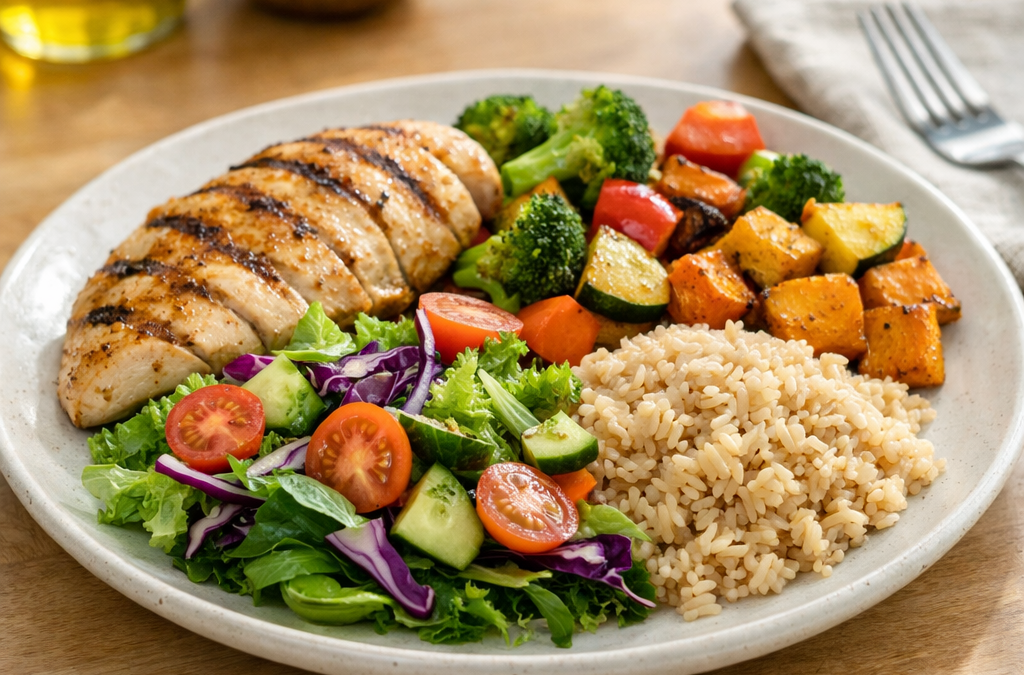
How Many Calories to Lose Weight? A Simple Guide (Without Starving)
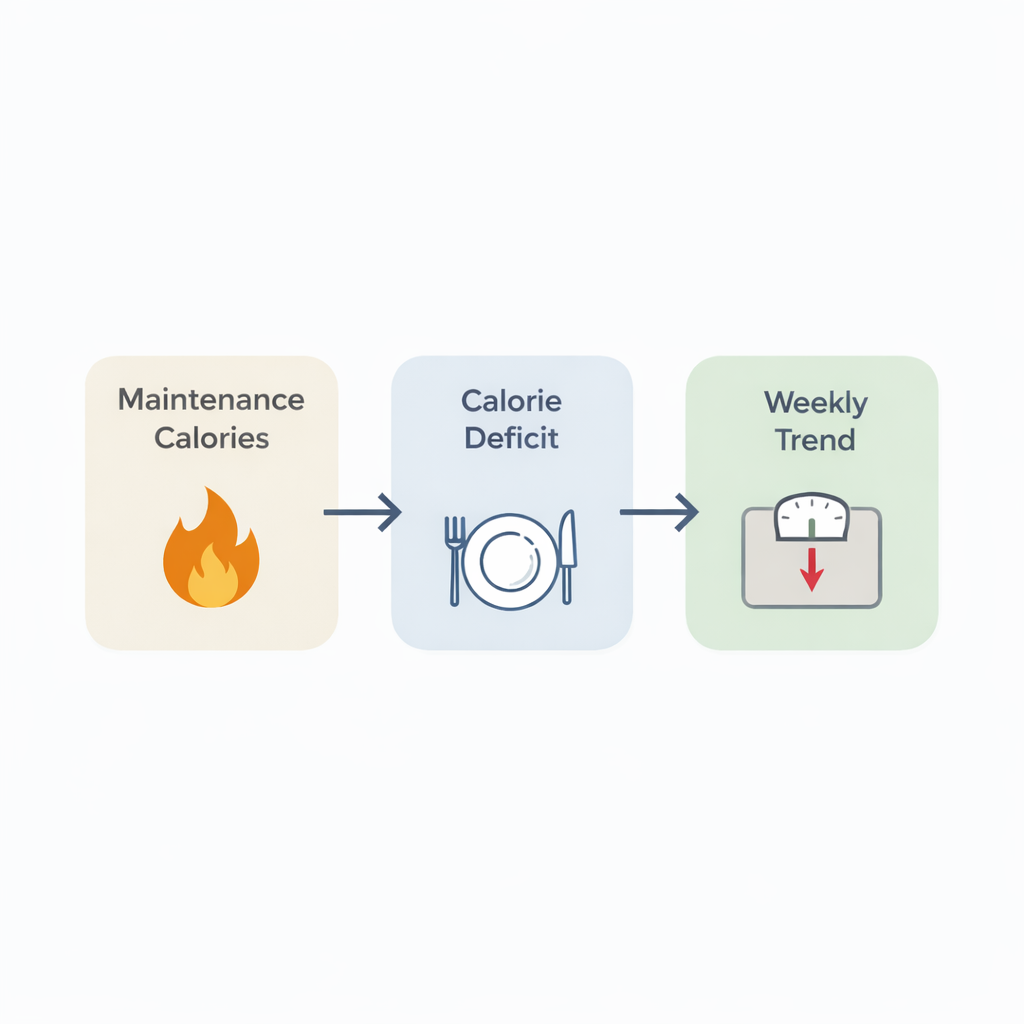
Most people lose weight by eating 300 to 750 calories below their maintenance level while keeping protein high and meals filling. The fastest way to find your number is to estimate maintenance calories, pick a realistic deficit, then adjust based on your 2-week trend.
If you live in Greenville, Winterville, Ayden, Farmville, or anywhere in Pitt County, this guide walks you through a simple (and sane) way to set calories without crash dieting.
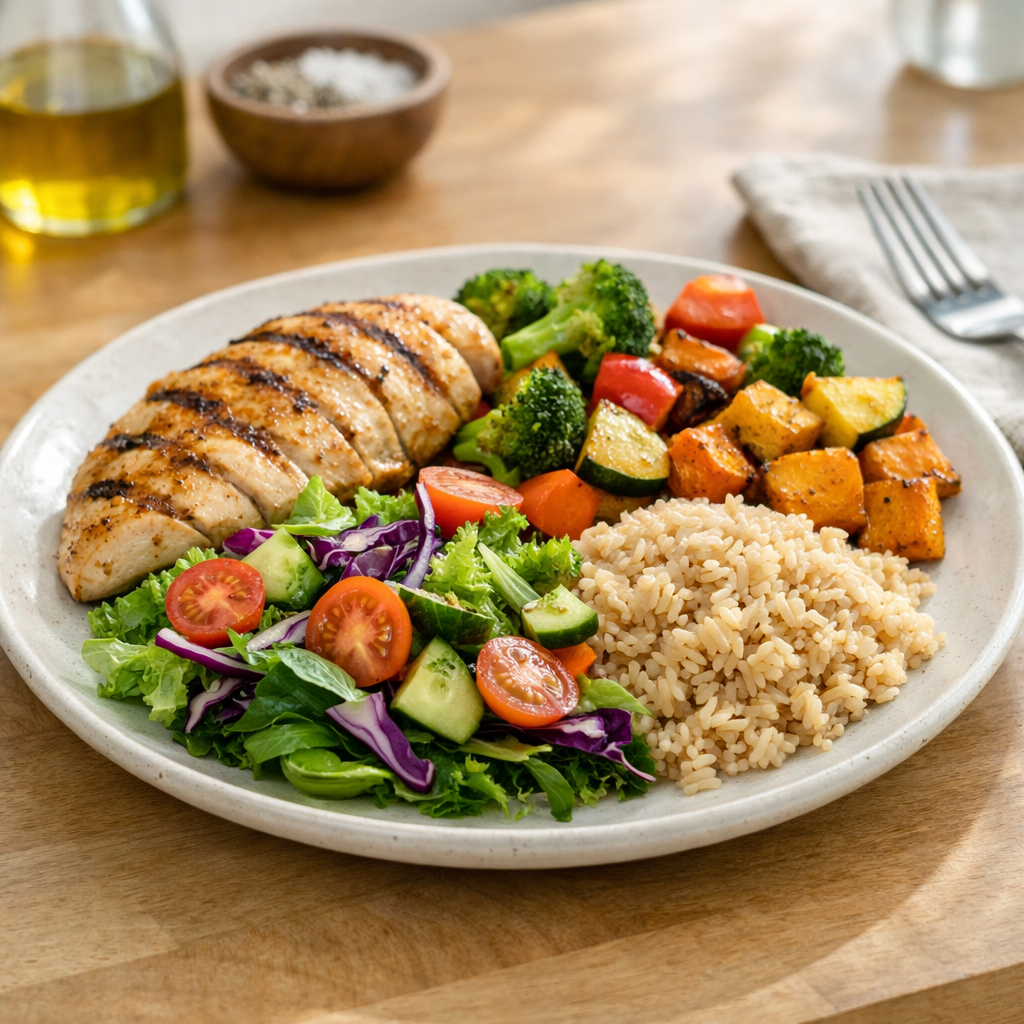
The simple answer most people actually need
If you are asking how many calories should i eat to lose weight, you usually need two numbers:
-
Your maintenance calories (what you burn on an average day)
-
Your deficit calories (what you eat to create fat loss)
A practical starting point for many adults is a deficit that feels “noticeable but doable.” That usually means you are hungry sometimes, but not miserable, dizzy, or obsessing about food.
Why “without starving” matters (and why it helps results)
When calories are too low, a few things tend to happen:
-
Hunger gets louder, cravings spike, and “one rough day” turns into a weekend.
-
Training and daily movement drop because you feel drained.
-
Sleep gets worse, which makes appetite harder to manage.
So yes, a deficit is required, but the size of the deficit is the difference between a plan you can repeat and one you quit.
Why calories matter for weight loss (even if you eat “clean”)
Calories are simply units of energy. Your body uses energy for:
-
Resting needs (breathing, circulation, body temperature)
-
Daily movement (work, errands, steps)
-
Exercise and recovery
-
Digestion
Weight loss happens when, over time, your intake is lower than what you burn.
That does not mean you have to track forever. It means your plan needs an honest “energy gap” that you can sustain long enough to see change.
The most common reasons people think they are in a deficit (but aren’t)
This is not about blame. It is about what typically goes wrong:
-
Portions creep up (especially oils, nuts, dressings, drinks)
-
Weekend calories erase weekday progress
-
“Healthy” snacks still add up
-
Your activity drops when you diet, so maintenance becomes lower
-
Stress and sleep issues increase appetite and reduce consistency
If any of that sounds familiar, you are not broken. You just need a clearer target and a tighter feedback loop.
How to estimate your maintenance calories (without complicated math)
You can get very technical here. You do not need to.
A simple, useful estimate is based on body weight and activity. Many people fall somewhere between 12 and 16 calories per pound depending on how active they are.
Quick maintenance estimate table
Use this table to get a starting range. Then we will choose the best deficit.
| Lifestyle snapshot | Quick multiplier (calories per lb) | Example at 180 lb |
|---|---|---|
| Mostly sedentary (desk job, low steps) | 12 to 13 | 2,160 to 2,340 |
| Lightly active (7k-9k steps some days) | 13 to 14 | 2,340 to 2,520 |
| Active (regular training + higher steps) | 14 to 16 | 2,520 to 2,880 |
Prefer a calculator? Use this approach for better accuracy
If you want a more precise estimate, use a TDEE calculator, then treat it as a starting hypothesis. Your real maintenance shows up in your trend data.
A helpful walkthrough is here: How to calculate calories for a healthy diet plan for weight loss
How big should your calorie deficit be?
This is the part where people either make steady progress or burn out.
A good deficit is:
-
Big enough to create weekly change
-
Small enough to keep energy, sleep, and adherence solid
Deficit sizes that work (and what they feel like)
| Deficit level | Daily deficit range | Typical weekly pace | Best for |
|---|---|---|---|
| Gentle 🙂 | 250 to 400 | ~0.5 lb/week | Busy schedules, high hunger, first-time dieters |
| Moderate ✅ | 400 to 750 | ~0.75 to 1.5 lb/week | Most people, most of the time |
| Aggressive ⚠️ | 750 to 1,000+ | Up to ~2 lb/week | Short phases, higher starting weight, clinician guidance recommended |
If you are thinking, to lose weight how many calories should i consume, start by choosing moderate unless you have a strong reason not to.
The “floor” problem (why ultra-low calories often backfire)
Many people try to force results by going extremely low. It can work briefly, but it is harder to sustain and easier to rebound from.
If your plan causes:
-
Constant food thoughts
-
Poor sleep
-
Dizzy spells
-
Irritability
-
Workout performance crashing
That is a signal to adjust, not “push harder.”
A practical 3-step method to set your daily calorie target
This is the method I wish most people used from day one.
Step 1: Estimate maintenance
Pick a realistic activity category from the table above (or use a TDEE calculator).
Step 2: Pick a deficit you can repeat
Choose one:
-
If you have tried dieting many times, start with gentle to moderate.
-
If you are consistent and want faster results, go moderate first.
Step 3: Build meals that make the deficit feel easier
Your calorie target will feel completely different depending on food choices. Two people can eat the same calories and have totally different hunger.
A simple priority order:
-
Protein first
-
Fiber and volume second
-
Carbs and fats in amounts that fit your day
📌 Want a deeper breakdown of what makes a deficit work in real life? Read: Calorie deficit for weight loss
What to eat so you do not feel like you are starving
You do not need perfect macros. You need meals that keep you satisfied long enough to stay consistent.
Protein-forward meals (the “stay full” lever)
Protein helps with fullness and can make dieting feel less punishing.
Practical tip: aim for a protein source at each meal (chicken, fish, eggs, Greek yogurt, lean beef, tofu). If you are not sure where to start, a simple rule is: “Protein plus produce at most meals.”
Fiber and volume foods (the “big plate” trick)
High-fiber foods add bulk and slow digestion, which helps appetite control.
Examples:
-
Veggies you can eat a lot of (salads, cucumbers, peppers, broccoli)
-
Beans and lentils
-
Fruit as a default dessert
-
Potatoes, oats, and whole grains in measured portions
Drinks and “invisible calories” that sabotage progress
This is where many plans quietly fail:
-
Creamy coffee drinks
-
Alcohol calories that also lower food choices later
-
“Healthy” smoothies that turn into 600+ calories
A small change here often creates the deficit you thought you already had.
Activity that makes fat loss easier (without living in the gym)
Calories in matter most, but activity makes the process smoother:
-
You burn more
-
You keep more muscle
-
You feel better during the diet
How many calories do 10,000 steps burn?
A common range is 300 to 600 calories, depending on body weight, pace, terrain, and stride length. The key is not the perfect number, it is the repeatable routine.

Strength training (your “keep results” tool)
If you want results that look and feel better, strength training is a smart add-on. It supports muscle retention while dieting, which helps your body composition.
If you want ideas that fit real schedules, see: Best exercise for weight loss in Greenville, NC
“Which option is best?” DIY calories vs a structured plan vs medical support
There are three common paths. The best one is the one you will actually follow, with the least stress, for long enough to see progress.
Option 1: DIY calorie target + weekly adjustments
Best for: people who like tracking, enjoy problem-solving, and can stay consistent.
How it works:
-
Set a calorie target
-
Hit it most days
-
Adjust by small amounts based on weekly trend
Downside: it is easy to underestimate intake, overestimate burn, and quit when results slow.
Option 2: A structured diet plan built around your lifestyle
Best for: people who want simplicity and a plan they can repeat.
A structured plan removes guesswork like:
-
“What do I eat tonight?”
-
“How do I handle weekends?”
-
“How do I eat out in Greenville without blowing the week?”
If that sounds like you, explore: Weight loss diet in Greenville, NC
Option 3: Clinician-guided weight loss (best for complex situations)
Best for: people with metabolic challenges, medical conditions, weight-loss plateaus, or those who need accountability and personalization.
This option is often the best fit if:
-
You have tried multiple diets and regain quickly
-
Your hunger feels unmanageable
-
You are dealing with hormonal or medication-related barriers
-
You want a safer, more tailored approach
✅ If you want help choosing the best approach for your body and schedule, Request a consultation

A simple 14-day check-in to make sure your calories are working
Here is the simplest way to know if your target is correct.
Track trends, not single weigh-ins
For 14 days:
-
Weigh daily (or 3-4 times/week) and look at the average
-
Take one waist measurement weekly
-
Keep calories consistent most days
If your trend is flat:
-
Tighten accuracy first (portions, oils, snacks)
-
Then adjust calories by 100 to 200 per day, not 500
What if you are losing too fast?
If energy is low, sleep is poor, or you are losing more than expected, bring calories up slightly. “Fast” feels exciting until it becomes unsustainable.
Final take
The best answer to how many calories to lose weight is the one you can repeat: estimate maintenance, choose a doable deficit, build filling meals, then adjust based on your trend.
If you want a plan built for your lifestyle in Greenville, Winterville, Ayden, Farmville, or anywhere in Pitt County, Request a consultation
Frequently Asked Questions
How did Kim Kardashian lose 16 lbs in 3 weeks?
Short-term celebrity weight loss is often not pure fat loss. A rapid drop like 16 pounds in 3 weeks is usually a mix of reduced calories, lower carbs, water loss, intense training, and sometimes temporary dehydration strategies before an event. Even when someone loses “weight,” the amount of actual body fat lost in that time is typically much smaller. If you try to copy a rapid plan, it can backfire with fatigue, binge cycles, and rebound weight. A safer approach is a moderate deficit with high-protein meals and a plan you can repeat.
What are the recommended calories per day to lose weight?
There is no universal number because maintenance calories vary by body size and activity. Many adults do well starting with a moderate deficit (often 400 to 750 calories below maintenance). If you want a quick estimate, first find your maintenance range, then subtract your chosen deficit. If you are consistently hungry, low-energy, or stalled, the “right” number changes. The most reliable recommendation is the one that produces a steady 2-week downward trend while still supporting sleep, mood, and daily life.
What is the 4 4 9 rule?
The 4 4 9 rule is a shortcut for converting macros into calories. Carbs have about 4 calories per gram, protein has about 4 calories per gram, and fat has about 9 calories per gram. This helps you estimate calories from a macro split. For example, if a meal has 40g protein, 50g carbs, and 20g fat, that is (40×4) + (50×4) + (20×9) = 160 + 200 + 180 = 540 calories. It is not perfect for every label, but it is a useful rule of thumb.
Why am I not losing weight eating 1200 calories a day?
Most stalls at 1200 come from tracking gaps, fluctuating water weight, or a lower-than-expected maintenance level. Common issues include untracked extras (oils, bites, drinks), portion estimates, and weekend “catch-up” eating. Also, stress, poor sleep, and salty restaurant meals can mask fat loss with temporary water retention for a week or two. Finally, if 1200 is truly accurate, it may be too aggressive for your body and can lower activity without you noticing. Try tightening accuracy first, then adjust in smaller steps and consider clinician support if the plateau persists.