
Best Weight-Loss Supplements? What the Research Supports (and What to Avoid)
best weight loss supplements are the ones that help you stay consistent: they reduce hunger, support protein intake, and fit your health history.
Most “fat burner” products promise big results, but research and safety data show the wins are usually small, and the risks can be real.
If you’re in Greenville, Winterville, Ayden, Farmville, or anywhere in Pitt County, you’ve probably seen the same ads: “melt fat fast,” “GLP-1 in a capsule,” “no diet needed.”
This guide breaks down what is actually supported, what to be cautious about, and how to pick an option that matches your body and goals.
📌If you want a clinician-guided approach (instead of guesswork), Request a consultation.
What the Research Really Says About Weight Loss Supplements
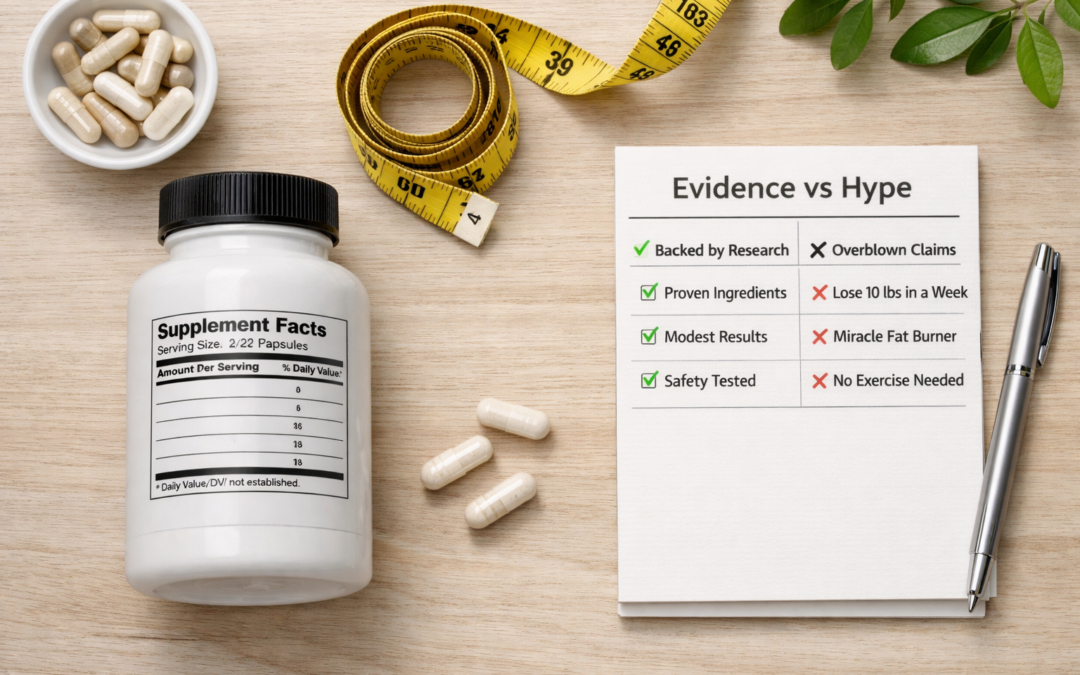
A helpful mental model is this: supplements rarely create weight loss. Habits create weight loss. A supplement might make habits easier.
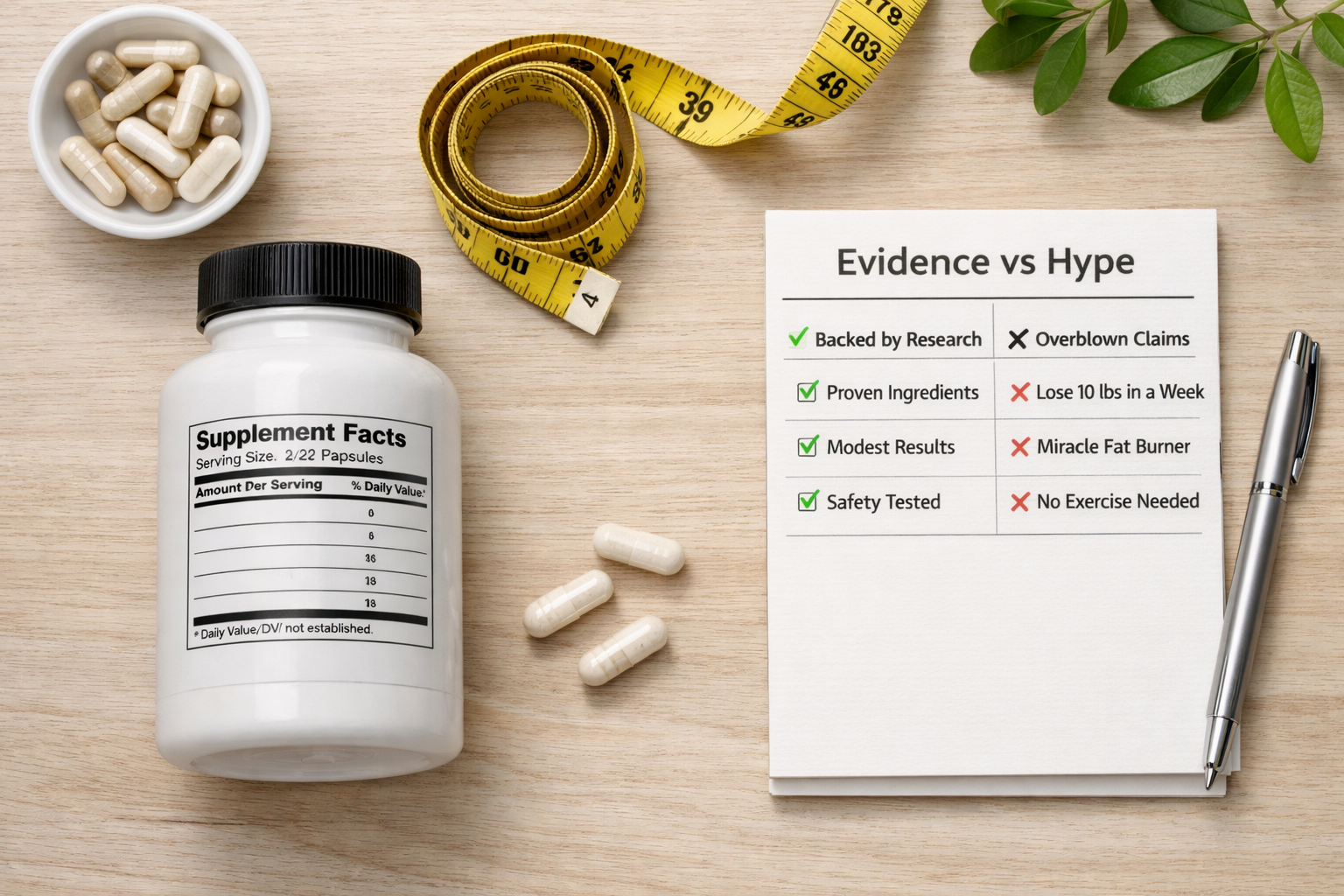
Across large reviews and federal health resources, the theme is consistent: many products are marketed aggressively, but the average effect is modest or inconsistent, and some products carry meaningful safety concerns.
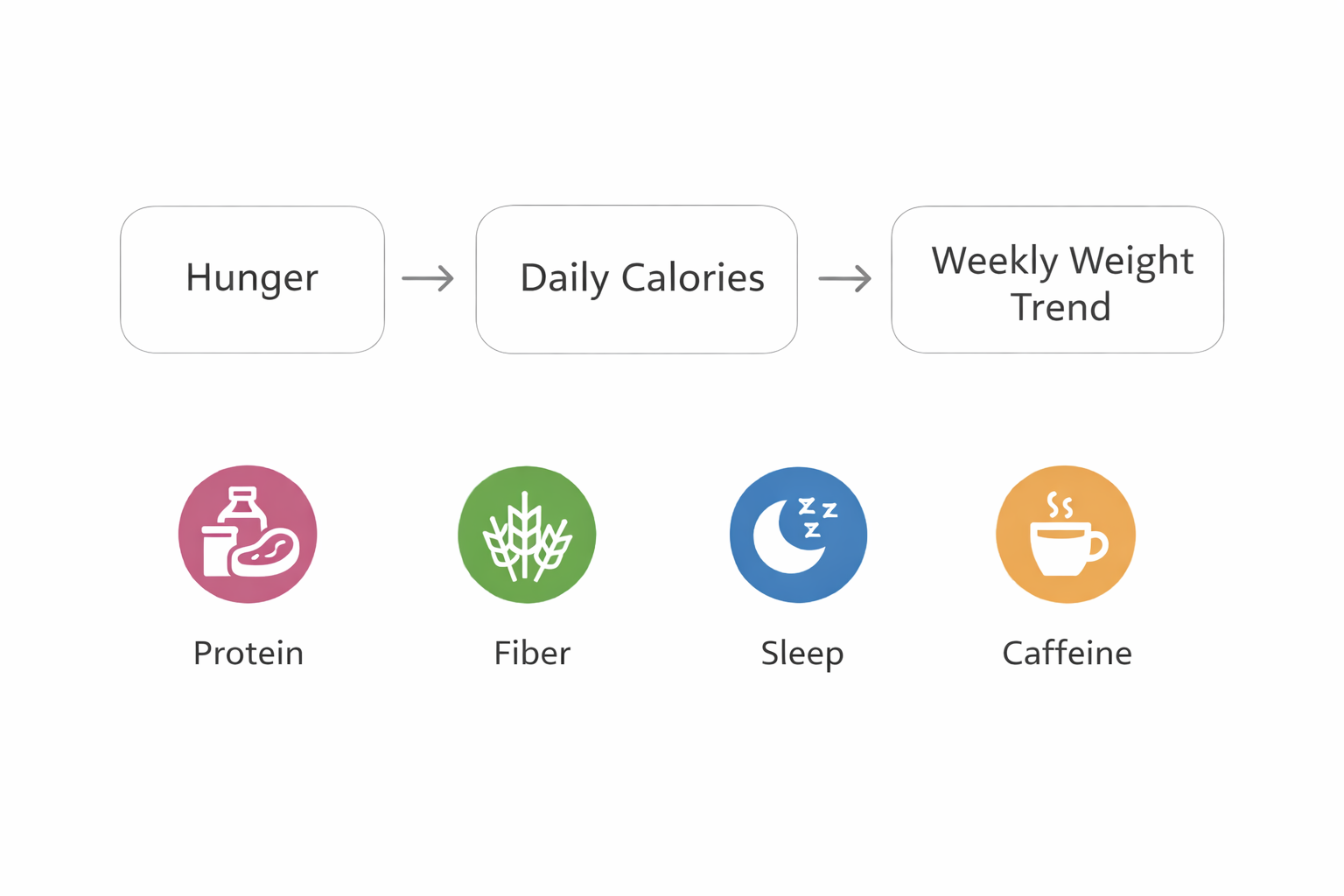
That doesn’t mean every option is useless. It means your “best” choice is usually an add-on that supports one of these levers:
✅ Hunger control (so your calorie deficit feels less miserable)
✅ Protein or fiber support (so meals are more filling)
✅ Energy consistency (so you can move more and train)
✅ Medical alignment (so you’re not worsening blood pressure, anxiety, reflux, or blood sugar swings)
Why Most “Fat Burners” Fail (and When Supplements Can Help)
People don’t fail because they lack willpower. They fail because the plan has too much friction.
For example: if you are hungry at 3 PM and again at 9 PM, you’re not “weak.” You’re under-fueled, under-proteined, under-slept, stressed, or all of the above.
The real driver is still the deficit
Your body has to spend more energy than it takes in over time. That’s the boring part, and it’s still true even if a label says “thermogenic.”
If you want a simple way to set calories without starving, see Calorie Deficit for Weight Loss: How Many Calories to Lose Weight (Greenville, NC Guide) ().
The best supplements reduce friction, not reality
A good supplement decision looks like:
-
You already have a plan for meals and movement.
-
You pick one problem to solve (like late-night cravings).
-
You test one product at a time for 2 to 4 weeks.
-
You track outcomes that matter (hunger, steps, workouts, weekly trend).
If your “stack” has five pills and you still don’t know what helps, it’s not a stack. It’s noise.
Quick Reference Table: What Supplements Can Realistically Do
| Goal | What tends to help | What to expect | What usually disappoints |
|---|---|---|---|
| Feel fuller on fewer calories | Fiber + protein support | Easier consistency, fewer cravings | “Melt fat” claims |
| Improve workout consistency | Protein, creatine (training support) | Better strength retention | Magic metabolism boosts |
| Reduce appetite spikes | Fiber timing, caffeine (if tolerated) | Smaller snack urges | Proprietary “fat burners” |
| Improve blood sugar swings | Clinician-guided plan; sometimes berberine (case-by-case) | Modest support for some | Random “GLP-1 gummies” |
Note: Many ingredients show mixed results across studies, and some products are risky due to contamination or hidden drug ingredients.
Ingredients With the Most Practical Support
This section focuses on what tends to be most useful in real life, even when the scale change is not dramatic. Think of these as “food-first supplements.”
Protein support (especially if breakfast is light)
If you routinely “start healthy” then end the day starving, protein earlier is one of the simplest fixes. That might be a protein shake, Greek yogurt, or a whey/casein supplement if whole food is hard to hit consistently.
Practical tip: aim to anchor breakfast and lunch with a clear protein source, then build fiber around it (fruit, vegetables, beans, whole grains). This is less about a perfect macro split and more about hunger stability.
Example:
-
Breakfast: protein + fruit
-
Lunch: protein + high-volume veggies
-
Dinner: protein + fiber carb (if desired)
-
Snack plan: one planned snack beats five reactive snacks
Fiber supplements (psyllium first, others second)
Fiber is one of the most underrated “hunger tools.” Many people simply don’t get enough, and that shows up as constant snacking and low meal satisfaction.
Two key points:
-
Some fiber ingredients have little to no effect on weight loss by themselves in research summaries, but they can still support appetite control and better meal patterns.
-
Fiber has to be used correctly (especially powders): plenty of water matters for comfort and safety.
If you’re choosing one, psyllium is often the most practical because it’s widely tolerated and easy to titrate slowly.
Simple “start low” approach:
✅ Start with a small dose once daily for 3 to 7 days
✅ Increase only if you tolerate it well
✅ Pair with a full glass of water
✅ Don’t take it at the exact same time as medications unless your clinician says it’s okay
Caffeine and green tea style products (use carefully)
Caffeine can slightly increase energy expenditure and help performance, but the weight-loss effect is typically small and tolerance builds. Many weight-loss products contain caffeine from multiple sources, and labels may not clearly show the total amount.
This is where “more” is not better. If caffeine worsens your sleep, it can backfire fast by increasing hunger and reducing recovery.
A safer mindset:
✅ If you already do well with coffee, do not “stack” a stimulant supplement on top
✅ If you have anxiety, high blood pressure, palpitations, or insomnia, consider skipping stimulants entirely
✅ Treat sleep as part of the plan, not a bonus
Best GLP-1 Supplement for Weight Loss: What That Phrase Really Means
If a product claims to be “GLP-1 in a bottle,” slow down.
GLP-1 receptor agonist medications are regulated drugs, and the online market has also seen counterfeit and unapproved versions that raise safety concerns.
So what can you do if you’re looking for GLP-1-like appetite support without a prescription?
Here’s the honest answer: a supplement cannot replicate prescription GLP-1 therapy. But some strategies can support the same outcome (feeling fuller sooner):
✅ Higher-protein meals
✅ More fiber (food and, sometimes, supplements)
✅ Slower-eating patterns (reduce “eat fast, still hungry” effect)
✅ Clinician-guided calorie targets that are not overly aggressive
If you are seriously considering GLP-1 therapy, do it through a licensed provider and a legitimate pharmacy. FDA has also warned about dosing errors with compounded semaglutide, including overdoses linked to measurement mistakes.
📌Learn about safer options and what’s risky here: Weight Loss Pills: What Works, What’s Risky, and Safer Options (Greenville, NC).
Women’s Considerations (Including “Female-Focused” Marketing)
A lot of products target women with messaging like “hormone belly fat” or “night-time fat burner.” The reality is that physiology, lifestyle, and life stage matter more than pink packaging.
If you are searching for the best supplements for weight loss female, the smartest move is to match the supplement to the bottleneck you actually have:
-
Low protein intake because mornings are rushed
-
High stress and late-night eating
-
Perimenopause appetite changes
-
PCOS or insulin resistance concerns
-
Iron or vitamin D deficiency (common, but needs confirmation)
Important: if you’re pregnant, trying to conceive, or breastfeeding, do not self-prescribe weight-loss supplements. Get medical guidance.
A practical “women-first” approach that still works for everyone
✅ Protein at breakfast and lunch (not just dinner)
✅ Fiber increase gradually (food first, supplement second)
✅ Strength training for body composition support
✅ Sleep and stress plan (because cravings are not random)
If your weight changes suddenly, your hair is thinning, your cycle changes dramatically, or fatigue is intense, it’s worth screening basics with a clinician (thyroid, iron, vitamin D, glucose markers).
What to Avoid (This Matters More Than Most People Think)
A lot of supplement risk is not “the ingredient.” It’s the product.
The FDA has published repeated warnings that some weight-loss products are contaminated with hidden ingredients or marketed fraudulently.
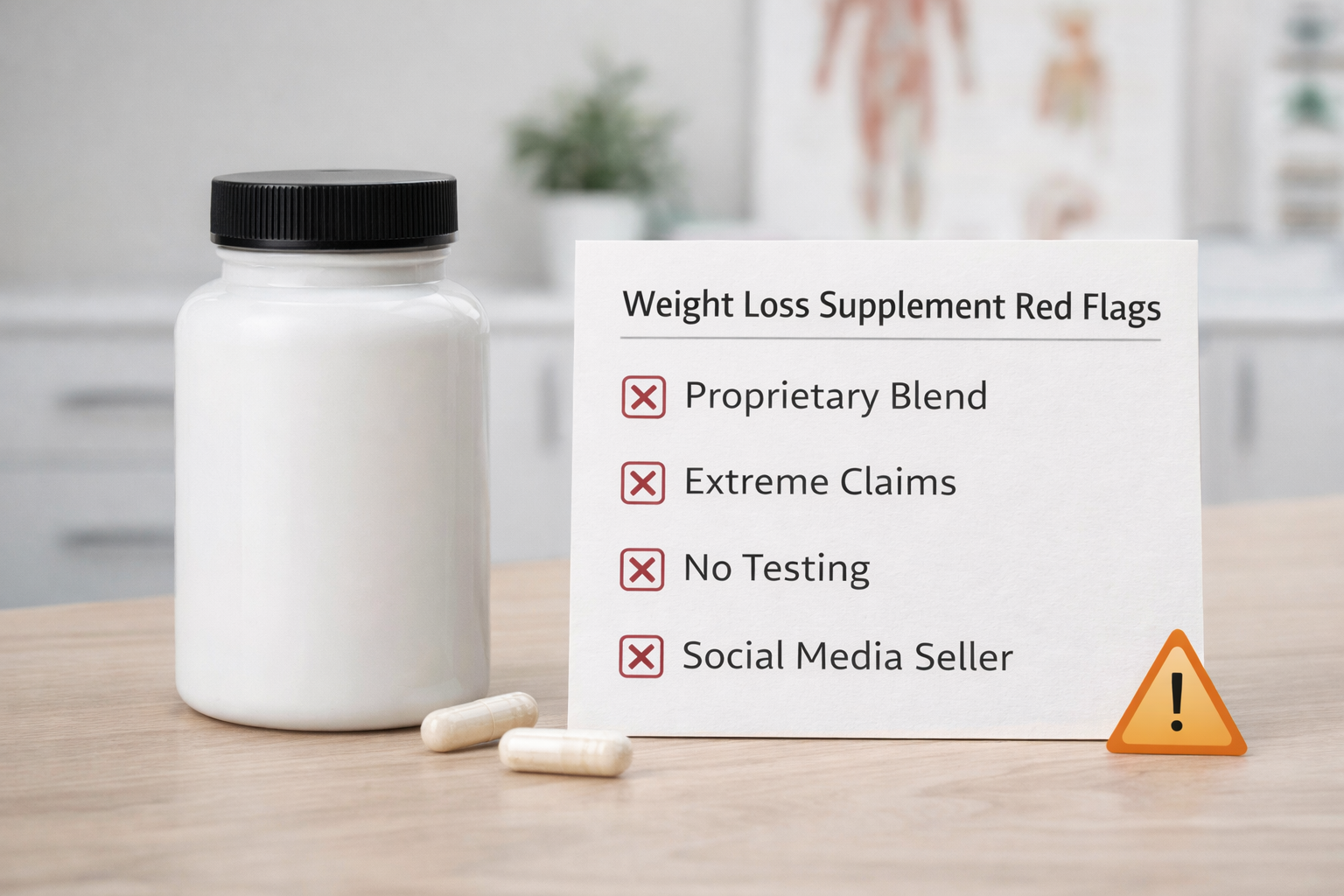
Here are practical red flags:
✅ “Lose 10 pounds in 7 days” style promises
✅ “Proprietary blend” with no clear amounts
✅ No third-party testing and no real manufacturer transparency
✅ Stimulant-heavy formulas that spike heart rate
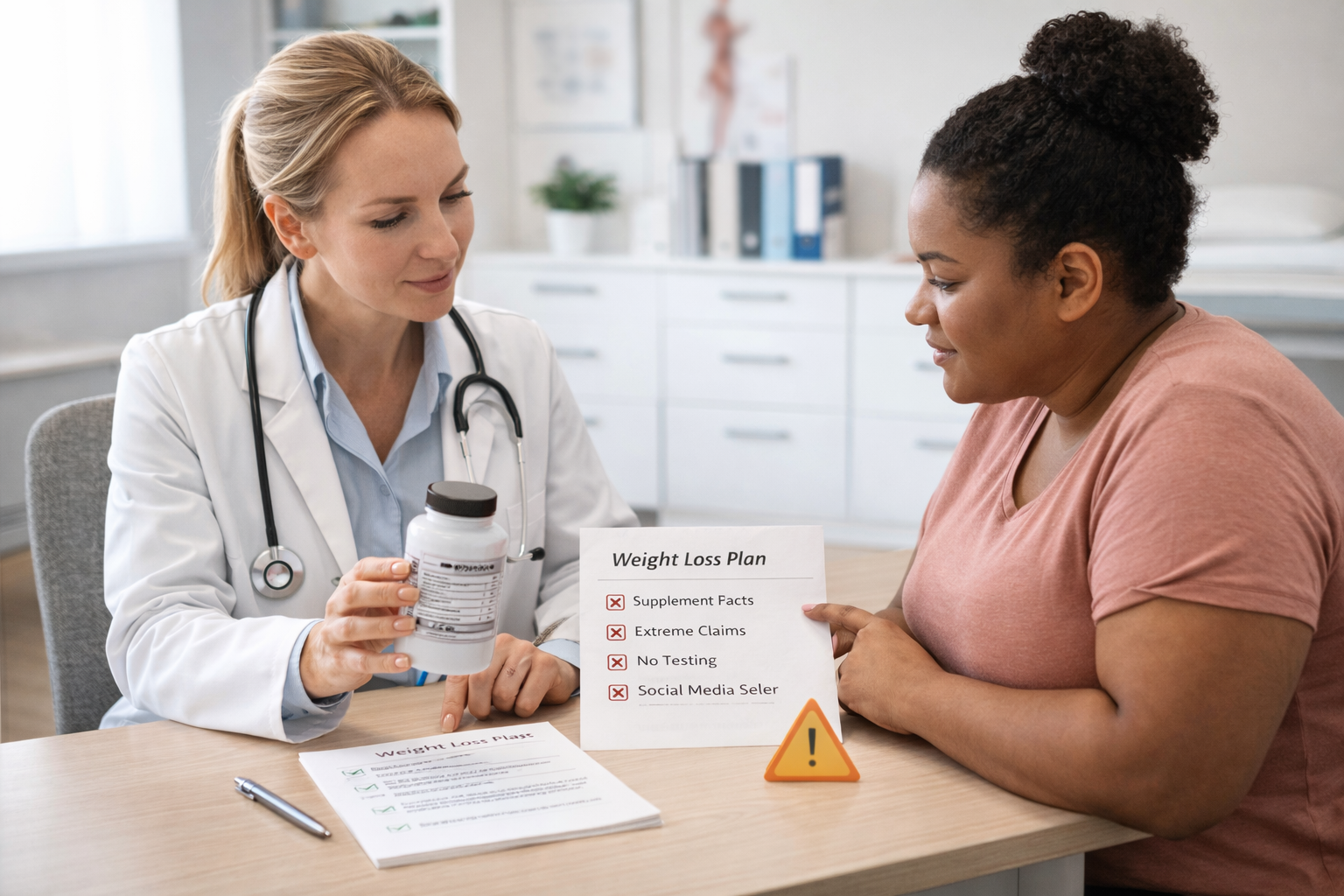
✅ Buying from random social media sellers or “no prescription” pages
If you want to see real examples of fraud alerts, the FDA maintains weight loss product notifications highlighting contaminated products.
How to Choose a Supplement Safely (Without Overthinking It)
You do not need a PhD to make a safer decision. You need a process.
The 3-step filter
-
Does the goal make sense?
Example: “Support fullness so I snack less” is reasonable. “Turn fat into energy instantly” is not. -
Can I verify quality?
Look for reputable manufacturing practices and testing. Be cautious with anything that feels like a mystery. -
Does it fit my health history?
If you have high blood pressure, anxiety, reflux, thyroid conditions, or you take multiple medications, get clinician guidance before using stimulant or blood-sugar active products.
Track one simple outcome
Pick one measurable signal for 2 to 4 weeks:
-
“I snack less at night”
-
“My afternoon hunger is calmer”
-
“I hit my protein target more often”
-
“My weekly trend is moving without feeling wrecked”
If nothing changes, drop it. Your plan should feel simpler over time, not more complicated.
Which Option Is Best: OTC Supplements vs Medical Weight Loss
This is where most people waste the most money. They keep buying products when what they really need is a plan that fits.
Here’s a clean way to compare:
-
OTC supplements are best when you have a solid foundation and want small appetite or convenience support.
-
Medical weight loss is best when you need help with hunger, metabolism, insulin resistance, or you’ve been stuck for months despite effort.
If you’re local, working with a clinic can help you avoid unsafe products, align your calorie target, and decide whether medication support makes sense.
📌Explore a supervised approach here: Medical weight loss in Greenville, NC
Real-life example (common in Pitt County):
Someone in Winterville eats “pretty good” weekdays, gets very hungry at night, and weekends undo the deficit. In that situation, the best move is usually not a stronger pill. It’s a better hunger strategy: protein earlier, fiber support, a realistic deficit, and possibly clinician-guided medication if appropriate.
If you want help building that kind of plan, Request a consultation.
Common Questions People Ask in Greenville and Pitt County
The most common pattern we see is not “I don’t know what to do.” It’s “I’ve tried too many things, and I don’t know what to trust.”
If you only remember one line: choose safety and consistency over intensity. The goal is progress you can repeat in Greenville traffic, Winterville family schedules, Ayden work shifts, and Farmville weekends. A plan that only works on perfect days is not a plan.
Next Steps for best weight loss supplements
Best weight loss supplements should be treated like optional tools, not the main strategy.
If you want help choosing what fits your body, medications, and goals, request a consultation and get a plan you can actually follow: Request a consultation.
Frequently Asked Questions
What is the best supplement to lose weight fast?
The safest “fast” approach is usually not a single supplement, it’s a hunger-controlled calorie deficit you can sustain. Most OTC products produce modest or inconsistent results, and some are risky due to hidden ingredients or stimulant overload. A better strategy is to use a practical support tool (protein or fiber) to make meals more filling, then track your 2-week trend. If you need faster results for health reasons, do it with clinician guidance so you avoid crash dieting and unsafe products.
How can I drop 20 pounds fast?
A realistic, safer pace for many people is about 1–2 pounds per week, so 20 pounds often takes roughly 10–20 weeks. Faster loss can happen early due to water changes, but pushing aggressively can increase side effects and rebound hunger. The most reliable method is a consistent calorie deficit paired with higher protein, high-volume foods, and activity you can repeat. If you have medical conditions or need a faster timeline, a supervised program in Greenville can personalize the approach.
What is the strongest weight loss pill over the counter?
In the U.S., truly “strong” weight loss medications are prescription-based, not OTC. Many over-the-counter “fat burners” rely on stimulants, and effectiveness is often limited while side effects can be significant. Federal health resources consistently note that many weight-loss supplements have little supporting evidence, and the FDA has warned about contaminated products with hidden drug ingredients. If you want something effective, it’s usually safer to discuss clinician-guided options rather than hunting for a stronger OTC pill.
How did Kelly Clarkson lose weight?
Kelly Clarkson has said her weight loss involved a prescription medication (not Ozempic) along with health-motivated lifestyle changes. She described it as a decision tied to concerning bloodwork, and she has not publicly confirmed a specific drug name in a way that removes all speculation. The useful takeaway is not the celebrity detail, it’s the pattern: when health markers and appetite regulation are the issue, medical support can be appropriate, and it should be done with licensed care.
What is a cheaper alternative to Ozempic?
The cheapest alternative depends on what you mean: appetite support, blood sugar control, or clinically meaningful weight loss. Prescription options vary widely by insurance, diagnosis, and availability, and using unapproved or counterfeit products can be dangerous. The FDA has raised concerns about unapproved GLP-1 drugs and counterfeit Ozempic, and it has also warned about dosing errors linked to compounded semaglutide. For many people, a cheaper and safer first step is a structured nutrition plan plus clinician guidance to see what you actually qualify for and what fits your budget.