

Best Weight Loss Pills? Evidence Check + Questions to Ask Before You Buy
Most “diet pills” are either (1) one FDA-regulated OTC drug with modest results, or (2) supplements with mixed evidence and bigger quality risks. If you want faster, more predictable results, the options with the strongest research are clinician-guided prescription therapies paired with a repeatable eating plan and accountability.

If you live in Greenville, Winterville, Ayden, Farmville, or anywhere in Pitt County, this guide is meant to help you buy smarter and safer. You will get an evidence check, the key “red flag” claims to avoid, and a short list of questions that protect your health and your wallet before you commit to any bottle or prescription.
📌 Want a quick safety baseline first? Read “Weight Loss Supplements: What to Know About Safety, Claims, and Results”
Why “diet pills” feel tempting (and why the evidence matters)
The appeal is obvious: a pill feels like a shortcut around hunger, cravings, and slow progress. The problem is that “weight loss pill” can mean three completely different things:
-
an FDA-regulated medication (OTC or prescription) with defined dosing and known risks,
-
a dietary supplement with variable quality and limited oversight,
-
an online product that may be mislabeled, adulterated, or simply not what it claims.
The evidence matters because weight loss is not just about the number on the scale. Even a 5% to 10% sustained loss can improve blood pressure, blood sugar, and triglycerides, but only if the approach is safe and consistent enough to maintain.
What counts as a “weight loss pill” in 2026?
Here’s the plain-English breakdown:
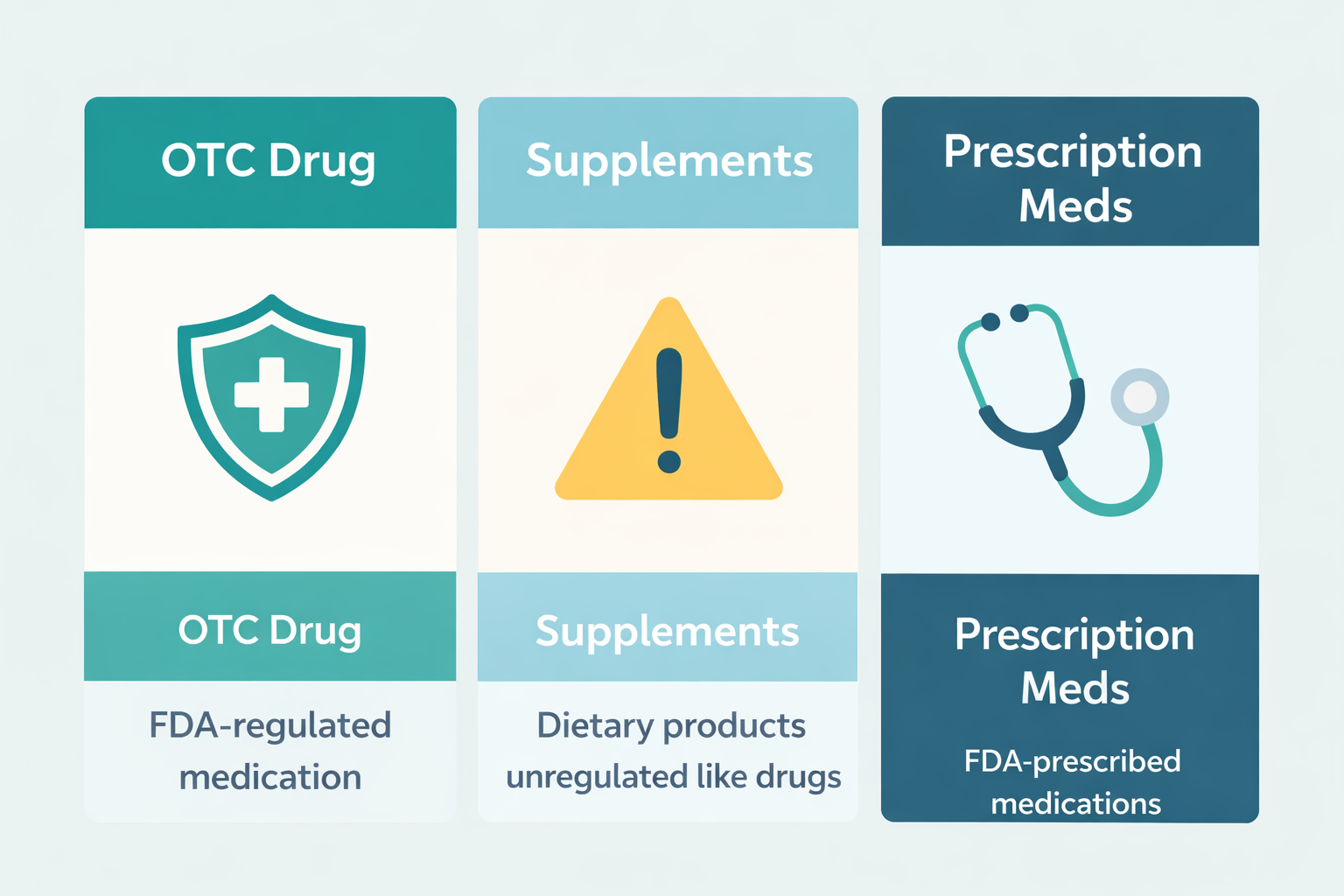
OTC drug (regulated): In the U.S., the standout is lower-dose orlistat (brand: Alli). It has FDA approval for OTC use in adults when combined with a reduced-calorie, low-fat diet.
Dietary supplements (unregulated like drugs): These can include stimulants, fiber products, “fat burners,” herbal blends, teas, and gummies. Supplements are not reviewed the same way FDA-approved drugs are, and there is a real, documented history of some products being contaminated with hidden drug ingredients.
Prescription weight-loss medications (regulated): These are prescribed based on your health history and usually BMI criteria (commonly BMI 30+, or 27+ with weight-related conditions). The FDA-approved long-term options include medications like phentermine-topiramate, naltrexone-bupropion, liraglutide, semaglutide, tirzepatide, and prescription-strength orlistat.
Newer oral GLP-1 option: As of late 2025, an oral GLP-1 pill form of Wegovy (oral semaglutide 25 mg) has been reported as FDA-approved for weight loss, with launch timing discussed for early 2026.
That last point matters because many people are specifically looking for an effective pill (not injections). If your priority is “oral only,” you still have legitimate clinician-guided options, but the “best” fit depends on your risk factors, side effects, budget, and goals.
📌 For a locally-focused deep dive, see Prescription Weight Loss Medications (GLP-1s & Alternatives) in Greenville, NC: What to Know
Evidence check for OTC options (what can actually help, and what’s mostly hype)
The keyword phrase “best over the counter weight loss pills” gets searched a lot, but the evidence is not evenly distributed. One key reality: OTC does not automatically mean “safe for everyone,” and it also does not mean “effective.”
Quick Reference Table: Common OTC categories compared
| OTC category | What it is | What results look like in real life | Biggest watch-outs |
|---|---|---|---|
| Orlistat 60 mg (Alli) | Fat-blocking OTC drug | In studies, people combining it with diet + activity lost about 5.7 lb (2.6 kg) more in 1 year vs lifestyle alone; some people reach 5% loss | GI side effects increase with high-fat meals; medication interactions; vitamin absorption issues |
| “Fat burners” / stimulant blends | Caffeine + herbs | Short-term appetite/energy changes; weight loss evidence is inconsistent | Jitters, anxiety, sleep disruption, heart rate/BP concerns, overlapping stimulants |
| “Carb blockers” | Fiber or enzyme blends | Modest, inconsistent evidence | GI issues; may lead to overeating if you assume it “cancels” food |
| “Detox” teas / laxative products | Diuretic/laxative effects | Mostly water loss, not fat loss | Dehydration, electrolyte issues; can be dangerous if misused |
| “Metabolism boosters” | Mixed herbal blends | Marketing often outpaces evidence | Quality control varies; some products have been found contaminated |
The one OTC option with the clearest evidence: orlistat (Alli)
Orlistat works differently than most “fat burners.” It reduces how much fat you absorb from food, so it only works if you are already willing to eat lower-fat meals most of the time. If you eat high-fat meals while taking it, digestive side effects tend to ramp up.
A practical way to think about it: orlistat can provide modest additional loss, but it does not replace calorie control. In Mayo Clinic’s summary, people using it alongside calorie restriction and exercise lost more weight than lifestyle alone, but it is not a “drop 20 pounds in a month” product.
The biggest OTC risk is not “it doesn’t work.” It’s “what’s actually in it.”
Some products marketed for weight loss have been found to contain undeclared drug ingredients (or other hidden compounds). FDA materials highlight this as an ongoing issue, and published research analyzing FDA warnings has documented many adulterated supplements, especially in the weight-loss category.
If a bottle promises results that sound like a prescription drug, but it is sold like a supplement, treat that as a serious red flag.
Evidence check for prescription options (including oral choices)
If you are searching “best diet pill weight loss” or “best weight loss pill,” this is where the strongest, most consistent outcomes usually show up, because prescriptions are standardized and monitored.
Quick Reference Table: Common prescription pathways (oral vs injection)
| Medication path | Oral or injection | Typical trial outcomes (average) | Notes that matter when choosing |
|---|---|---|---|
| Phentermine-topiramate (Qsymia) | Oral | Older studies report meaningful average loss; results vary by dose and adherence | Not for pregnancy; can affect heart rate/BP; needs clinician screening |
| Naltrexone-bupropion (Contrave) | Oral | One phase 3 trial reported about 6.4% at 56 weeks vs 1.2% placebo | Can raise BP; mood-related warnings; not with opioids |
| Semaglutide (Wegovy) | Injection (weekly) | About 14.9% mean loss at 68 weeks in a major trial | Strong outcomes, GI side effects common; stop rules and long-term plan matter |
| Tirzepatide (Zepbound) | Injection (weekly) | Large trial showed substantial loss; higher doses achieved the biggest averages | Often among the strongest average results; GI effects; coverage and eligibility vary |
| Oral semaglutide (Wegovy pill, reported approval late 2025) | Oral | OASIS 4 reported 13.6% mean loss at 64 weeks | Newer oral option; availability, pricing, and coverage will matter locally |
A key “Why” behind prescription results: these medications can reduce appetite, increase fullness, or change how your body handles nutrients. But even the strongest medication is not a standalone plan. Mayo Clinic notes that medicines work best as part of a broader strategy that includes eating changes and activity, and they also highlight that weight regain can happen after stopping if habits are not built.
How to evaluate any pill before you buy (the 10-question checklist that prevents regret)
This section is your practical “How.” Save it, screenshot it, or bring it to your next appointment.
Table: Questions to ask before you spend money
| Question to ask | Why it matters | What a good answer looks like |
|---|---|---|
| Is it FDA-approved as a drug, or sold as a supplement? | Approval changes quality control, dosing, and evidence | Clear FDA drug status (or you accept it’s a supplement with limits) |
| What is the active ingredient and exact dose per serving? | “Proprietary blends” hide meaningful details | Fully listed ingredient + dose, no vague blends |
| What results are realistic (in numbers)? | Prevents marketing-driven expectations | “Modest loss” for OTC; larger averages usually require prescriptions |
| What side effects are likely? | Helps you decide if you can stay consistent | Honest GI, sleep, BP, mood, or interaction warnings |
| Does it interact with my meds or conditions? | Interactions can be dangerous | You check with a clinician or pharmacist first |
| Is there a stop rule? | Prevents staying on something ineffective | Example: if no meaningful change by a set time, reassess |
| Is the seller reputable (not a sketchy site)? | Counterfeit and misbranded products exist | State-licensed pharmacy for prescriptions; cautious purchasing for OTC |
| Does it require a diet change to work? | Some only work with behavior changes | You can explain the meal approach, not just “take this pill” |
| What happens when I stop? | Long-term plan prevents rebound | Maintenance habits + monitoring strategy |
| Do I actually qualify for a medical option? | Saves months of guessing | BMI + health history reviewed with a clinician |
✅ A practical tip that saves people money: pick one primary outcome for 30 days (for example, fewer evening cravings, fewer binge episodes, or consistent calorie targets) instead of judging success only by weekly scale swings. Water weight, sodium, stress, sleep, and hormones can mask fat loss for weeks, especially early.
Which option is best for you (OTC, prescription, or coaching-first)?
If you are asking “what is the best weight loss pill,” the most honest answer is: the best option is the one you can take safely, afford, and stay consistent with long enough to change your trend.
Here’s a simple way to match options to real-life situations in Greenville and Pitt County:
If you want OTC only:
Orlistat is the most evidence-backed OTC choice, but it is still a commitment. You need lower-fat meals, you need to watch for interactions, and you need realistic expectations (think “modest additional loss,” not “rapid transformation”).
If you want the strongest average results:
Large trials for GLP-1 and dual-incretin therapies (like semaglutide and tirzepatide) show bigger average weight reductions than many older oral options, but they require clinical oversight and a longer-term plan.
If you want oral-only and prefer to avoid injections:
Oral prescription options (like phentermine-topiramate or naltrexone-bupropion) may be considered depending on your profile, and newer oral GLP-1 developments (like oral semaglutide) are changing what “pill-only” can mean. Your side effect tolerance and medical history drive the choice.
If your biggest problem is consistency (not knowledge):
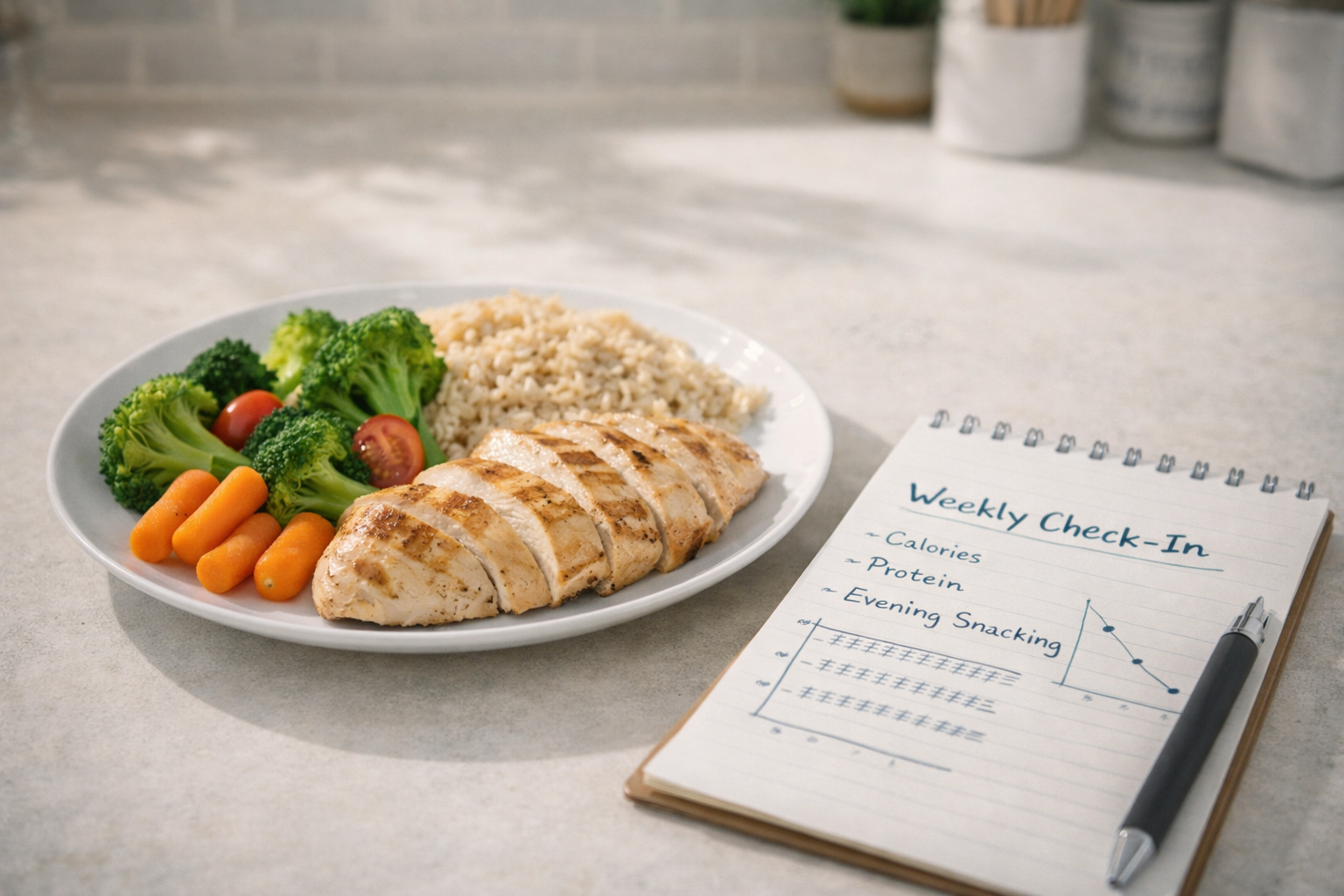
Many people do best with a clinic-based program that builds repeatable meals, weekly check-ins, and progress tracking beyond the scale. That structure is often what stops the cycle of “start strong, stall, restart.”
📌 If you want clinic support in Eastern NC, see Medical Weight Loss in Greenville, NC: Clinic-Based Program, Coaching, and Support
The safety “red flags” that should make you walk away
You do not need a long list here. You just need the biggest signals.
✅ Walk away if you see:
-
“Works like Ozempic” claims from an OTC supplement (that is not how regulation works).
-
“No diet needed” promises (almost always marketing, not physiology).
-
Mystery blends with no dosing clarity.
-
Online sellers offering “research” peptides or “not for human use” products marketed for weight loss.
Also, if you are pregnant, trying to become pregnant, or breastfeeding, do not self-start weight-loss medications. Multiple medical sources emphasize that prescription options are not for everyone and require clinician screening.
A smarter buying plan (so you do not waste 90 days)
Here’s a practical approach that works whether you choose OTC, prescription, or coaching-first.
Step 1: Set a 2-part goal.
Pick one scale-related goal (for example, “lose 5% over 3 to 6 months”) and one behavior goal (for example, “hit protein at breakfast and lunch 5 days a week”). Clinically meaningful progress is often defined around the 5% mark, and it is easier to reach when the behavior target is specific.
Step 2: Track one weekly metric that predicts success.
Examples that predict results better than daily weigh-ins: number of nights you snack after dinner, number of restaurant meals, or number of days you hit a calorie target.
Step 3: Use a stop rule.
If you are not seeing meaningful change after a defined period at a full dose, a clinician may reassess and switch strategies. That protects you from staying stuck on something ineffective.
Step 4: Build a maintenance plan before you start.
Many people regain some weight when they stop medication. If you decide to use a pill or injection, plan your “after” phase early: meal structure, movement minimums, and check-in cadence.
Want a plan that fits your health history and your lifestyle?
If you are in Greenville, Winterville, Ayden, Farmville, or nearby in Pitt County and you want a clear recommendation based on your meds, labs, appetite patterns, and goals, the fastest next step is a clinician-guided conversation.
Final Takeaway: best weight loss pills
If you only want OTC, set expectations for modest outcomes and prioritize safety and label transparency. If you want bigger, more reliable results, the most evidence-supported route is clinician-guided treatment paired with a repeatable food plan and accountability, so progress is not dependent on motivation alone.
Frequently Asked Questions
What is the most successful weight loss pill over-the-counter?
The most evidence-backed OTC option in the U.S. is orlistat 60 mg (Alli). It is FDA-approved for OTC use for weight loss in adults when used with a reduced-calorie, low-fat diet. In Mayo Clinic’s summary, people who combined a calorie-restricted diet, regular activity, and Alli lost an average of 5.7 pounds (2.6 kg) more in one year than people who only dieted and exercised. The tradeoff is that side effects are mainly digestive and get worse when meals are high in fat.
Which is the most successful weight loss drug?
In large clinical trials, newer GLP-1 and dual-incretin therapies have produced some of the biggest average weight reductions. For example, a major semaglutide trial reported about 14.9% mean weight loss at 68 weeks, and a tirzepatide trial reported substantial and sustained reductions with higher-dose groups producing the largest averages over 72 weeks. “Most successful” still depends on what you can tolerate, whether your insurance covers it, and whether you can stay on it long enough to maintain results.
What is the strongest oral weight loss pill?
There is no single “strongest” oral pill for everyone, but oral prescription medications tend to outperform most supplements. Common oral prescription paths include phentermine-topiramate and naltrexone-bupropion, and newer developments in oral GLP-1 therapy (reported FDA approval of an oral semaglutide form for weight management in late 2025) may offer stronger average outcomes than many older oral options. The “strongest” choice is the one that matches your health profile, avoids risky interactions, and has a realistic plan for side effects and long-term maintenance.
What pills do doctors recommend for weight loss?
Doctors generally recommend FDA-approved weight-loss medications when a patient meets criteria and lifestyle changes alone have not been enough. Medical sources commonly cite BMI thresholds (often BMI over 30, or over 27 with a weight-related condition) and emphasize that medication should be part of a bigger plan that includes nutrition and activity. FDA-approved long-term options include medications such as phentermine-topiramate, naltrexone-bupropion, prescription orlistat, semaglutide, and tirzepatide, among others. A clinician’s job is to weigh benefits vs risks based on your history, blood pressure, mood history, other meds, and goals.
What did Kelly Clarkson use for weight loss?
Kelly Clarkson has publicly said she used a prescription medication, but she did not name the specific drug. In multiple entertainment and health reports summarizing her comments, she stated that it was not Ozempic and described it as a medication that helps her body process or break down sugar, which she said was tied to concerning bloodwork and prediabetes indicators. Because she did not confirm the exact product, it is best to treat any specific-name claims online as speculation. If you are considering medication based on a celebrity story, use it as a conversation starter with a clinician, not a buying guide.
Is there an oral pill like Ozempic?
There is an oral semaglutide pill (Rybelsus) for type 2 diabetes, and an oral semaglutide option for weight management has been reported as FDA-approved (late 2025). Ozempic is an injectable semaglutide product for diabetes, while Rybelsus is the oral semaglutide tablet indicated for blood sugar improvement in adults with type 2 diabetes. For weight management specifically, reporting in late 2025 describes an FDA approval for an oral semaglutide “Wegovy pill” (25 mg) based on clinical trial results, with U.S. launch timing discussed for early 2026. The right choice still depends on your diagnosis, eligibility, and clinician monitoring.