
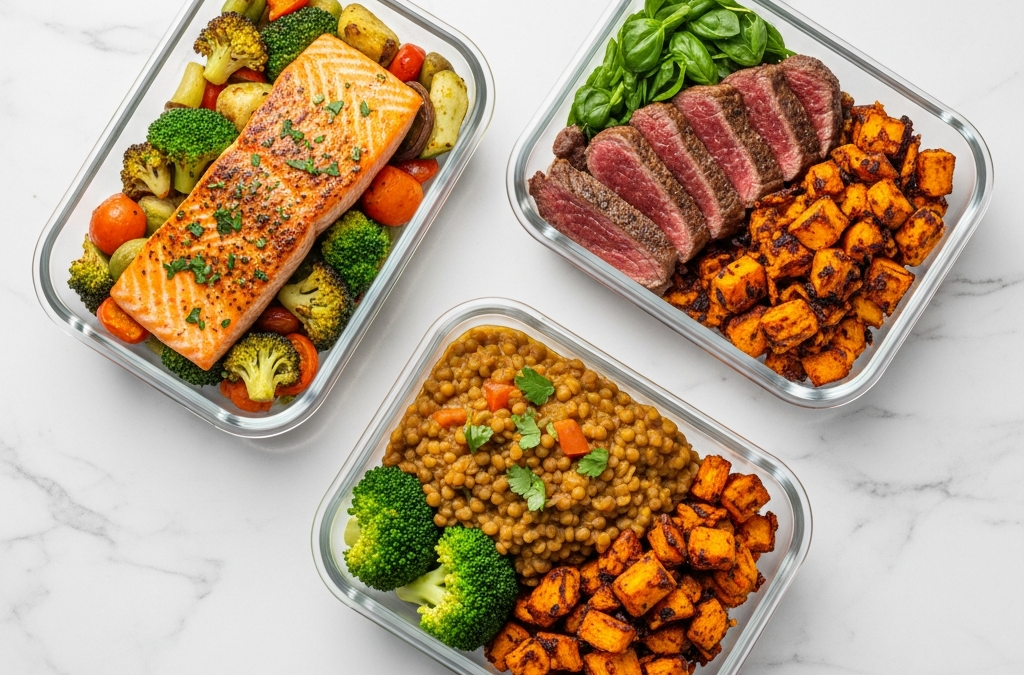
Best Meal Delivery for Weight Loss: Compare Plans by Goal
Best meal delivery for weight loss can work if it helps you eat in a consistent calorie deficit without feeling like you are “dieting” every hour of the day. In Greenville, NC and nearby towns like Winterville, Ayden, and Farmville, the best plan is the one you can repeat on your busiest weeks, not your perfect weeks.
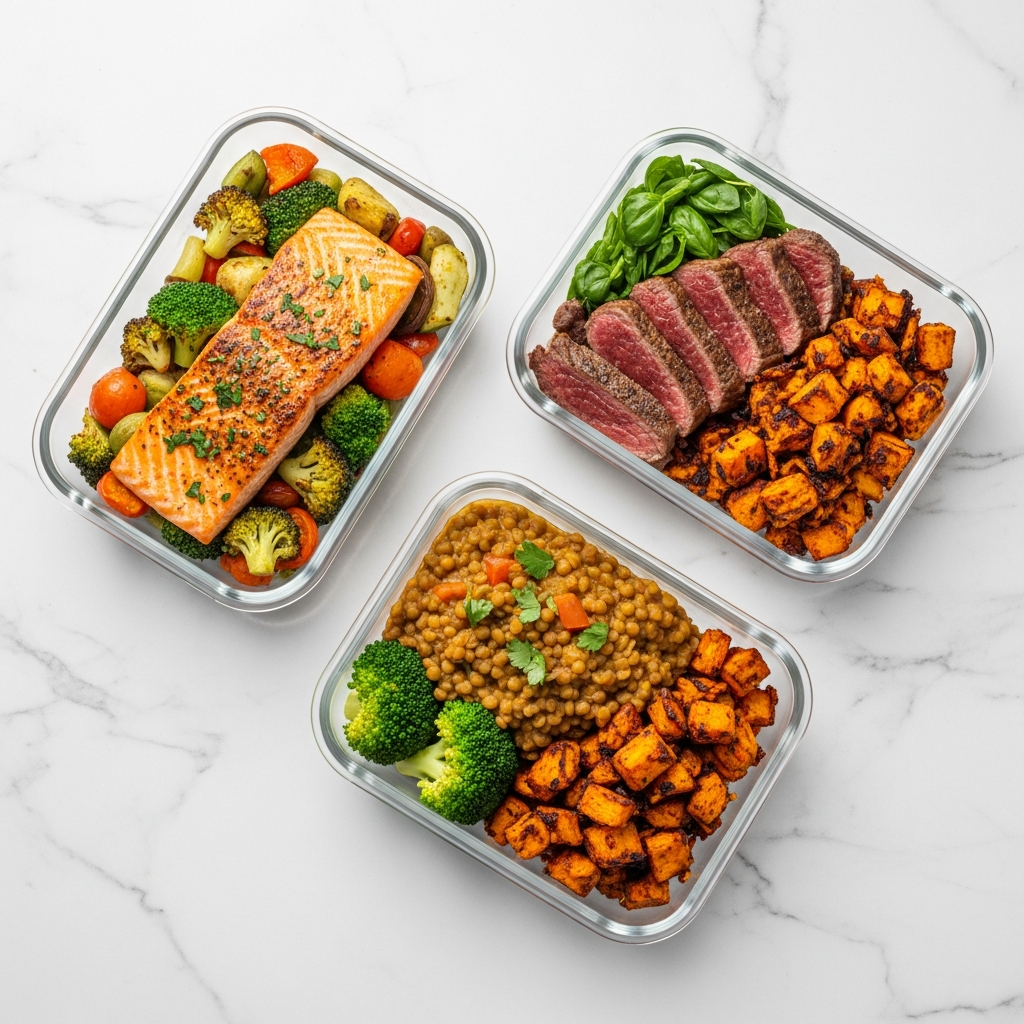
Meal delivery for weight loss is not magic, but it can remove the two biggest friction points: portion guessing and decision fatigue. If you pick the right style of plan for your goal (high-protein, lower-carb, diabetes-friendly, heart-healthy, or budget-focused), it becomes a practical tool you can build a routine around.
+
Answer Box: The Fastest Way to Pick the Right Plan 🍽️
✅ If you want simple, heat-and-eat structure: choose prepared meals with clear calories and protein listed before checkout.
✅ If cravings derail you: prioritize higher-protein menus and add a produce side (salad kit or microwave veggies) to increase volume.
✅ If blood sugar is a concern: look for diabetes-focused or lower-carb programs with consistent carb portions.
✅ If heart health matters: choose meals designed to be lower in sodium and saturated fat.
✅ If you need accountability beyond the food: pair any plan with coaching and progress tracking.
📌Local support option: How our program works
📌Prefer to talk to a coach first? Request a consultation
Why Meal Delivery Can Make Weight Loss Easier in Pitt County ✅
Meal delivery helps because weight loss is usually a consistency problem, not an information problem. Most people already know the basics, but daily life in Pitt County gets busy fast: long shifts, kids’ schedules, commuting between Greenville and Winterville, and weekends that fill up before you notice.
A good plan reduces the number of decisions you make when you are tired. Instead of negotiating with yourself at 6:30 p.m., you follow a default. That is what makes meal delivery for weight loss useful: it creates a repeatable routine.
The 3 Wins Meal Delivery Gives You
First, portion control becomes automatic. Second, it limits “calorie creep” from cooking oils, sauces, and extras you do not track. Third, it makes it easier to hit protein consistently, which helps with fullness and makes it less likely you snack your way past your target.
📌Related read: portion control in weight loss
When Meal Delivery Backfires
Meal delivery can slow progress when you choose meals based on taste only (and accidentally pick the highest-calorie options), when you rely on it but keep the same snacks and drinks, or when you assume “healthy” means “unlimited.”
If you want meal delivery to actually support fat loss, you need one clear rule: it must help you stay in a realistic calorie deficit most days.
How to Choose a Meal Delivery Plan for Your Goal (Without Overthinking It)
Start With a Deficit You Can Maintain
A safe, sustainable pace for many people is about 1 to 2 pounds per week, which usually requires a consistent calorie deficit over time.
That does not mean you should slash calories aggressively. It means your weekly average matters more than any single day.
Practical example (simple, not perfect):
If your maintenance is roughly 2,200 calories, aiming for a daily average around 1,700 to 1,900 often creates steady progress for many adults. Your number may be different based on body size, activity, sleep, stress, and medication.
Protein First, Then Fiber
When people say a plan “keeps me full,” it is usually because protein is consistent and the meal has enough volume (vegetables, beans, berries, or whole grains). This is also why many prepared services highlight high-protein options and provide nutrition labels upfront.
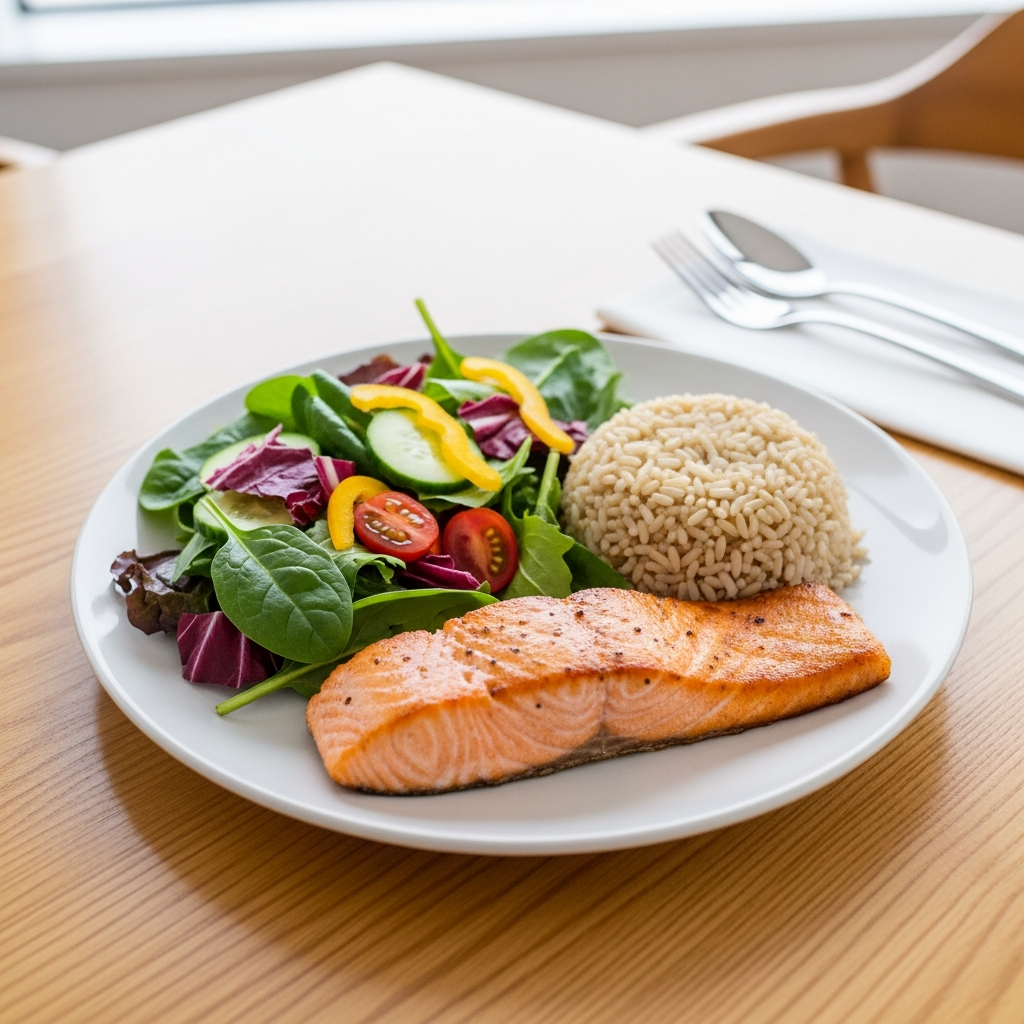
A simple target most people can execute: include a protein anchor at every meal (chicken, fish, lean beef, eggs, Greek yogurt, tofu, beans) and add one fiber source (vegetables, fruit, legumes, whole grains).
Check These 4 Labels Before You Commit
✅ Calories per meal (so you can build a day that fits your target)
✅ Protein per meal (so you stay satisfied)
✅ Sodium (especially if blood pressure is a concern)
✅ Carbs/sugars (especially if insulin resistance or diabetes is a concern)
Quick Comparison Table: Popular Options to Consider
| Option Type | Good Fit If You Want | What To Look For | Watch Outs |
|---|---|---|---|
| Prepared meals with “calorie-smart” and “high-protein” menus | Minimal cooking, clear nutrition, easy routine | Calories capped, protein-forward options, nutrition shown before checkout | Some meals can still be calorie-dense if you only choose comfort-style dishes |
| Doctor/dietitian-designed structured programs | Health-goal menus (heart, diabetes, menopause, lower-carb) | Dedicated program tracks (diabetes-friendly, heart-healthy, keto-flex) | Taste preference and sodium targets vary by plan |
| “Clean” macro-balanced meals (athlete-friendly) | Macros matter, you want consistency and simplicity | Transparent macro approach, predictable portions | Can feel repetitive if you like lots of variety |
| Local-chef marketplaces with filters | Flexibility and variety, ability to filter by macros | Filters for ingredients and macronutrient range | Allergen cross-contact can be a concern depending on facility |
| Portion-controlled shipped programs | Budget structure and “done for me” planning | Built-in schedule, pre-portioned selections | You still need a strategy for weekends and eating out |
| Meal kits (you cook) | You like cooking but want less planning | Lower-calorie recipes, protein-forward choices | Easy to over-portion if you do not plate intentionally |
Compare Plans by Goal: Which Option Fits Best in Real Life?
Goal 1: Steady Fat Loss With Minimal Cooking
If you want the most friction-free setup, start with prepared meals that show full nutrition before you select your weekly box. The reason is simple: you can build a predictable day. Many people do best using these meals for lunch and dinner, then keeping breakfast simple at home.
Why it works: fewer decisions, fewer surprise calories, and easier tracking.
Goal 2: High-Protein to Reduce Snacking
If afternoon snacking is your main struggle, prioritize menus built around higher-protein meals. Some services explicitly label high-protein options and provide macros for each meal so you can plan your day without guessing.
How to use it (simple tip): choose the high-protein option for the meal you usually snack after. For many people, that is lunch.
Goal 3: Lower-Carb Support for Insulin Resistance Patterns
If you notice you do “everything right” and still stall, it is worth considering whether carb quality, portion timing, sleep, and stress are part of the picture. Lower-carb styles can help some people control appetite and improve consistency, especially when cravings hit hardest at night.
Look for programs designed specifically for lower-carb or “keto-flex” approaches, and do not treat it as an all-or-nothing identity. Treat it as a tool you can adjust.
📌Related read: insulin resistance and stubborn fat loss
Goal 4: Diabetes-Friendly or Heart-Healthy Structure
If blood sugar management is part of your situation, consistency in carb portions and meal timing often matters as much as total calories. If heart health is the priority, sodium and saturated fat targets matter more. That is where structured programs with dedicated tracks can be helpful because they are built around those constraints.
Important note: if you use medication that affects blood sugar, do not make big carbohydrate changes without clinician guidance.
Goal 5: Budget + “Tell Me What To Do” Structure
If you want the most structured, budget-friendly routine, a shipped, portion-controlled program can remove decision-making. These programs typically include a defined number of meals and a system to follow, which helps people who do best with clear rules.
To make it work long-term: plan a “weekend strategy” in advance (two restaurant meals, one social meal, and one higher-protein grocery meal). Structure fails most often on weekends, not weekdays.
Goal 6: Variety + Flexibility Without Cooking
If you get bored easily, marketplace-style services with lots of weekly options and macro filters can be a strong fit. The key is to set your filter defaults once (calorie range, protein minimum) so variety does not turn into randomness.
Goal-Match Table: Pick Your Best-Fit Style First
| Your Goal | Best-Fit Plan Style | Why It Helps | Best For |
|---|---|---|---|
| Lose fat steadily | Prepared meals with clear calories | Predictable day, less guessing | Busy schedules, shift workers |
| Stop snacking cravings | High-protein menus | Better fullness, fewer impulses | Afternoon and night snackers |
| Lower-carb structure | Lower-carb or “keto-flex” options | Reduces “carb creep,” supports appetite control | People who struggle with cravings |
| Diabetes support | Diabetes-friendly track | More consistent carb portions | People monitoring blood sugar |
| Heart health support | Heart-healthy track | Built around sodium/sat fat targets | People watching BP/cholesterol |
| Budget + structure | Portion-controlled shipped programs | Clear routine and rules | People who want step-by-step |
How to Use Meal Delivery for Weight Loss Without Feeling Deprived ✅
The “2-Meal Anchor” Method (Most Realistic for Most People)
If you try to outsource every bite, you can burn out. A better approach is to anchor the two meals that usually go off track: lunch and dinner. Use meal delivery there, then keep breakfast simple.
Example anchor day (easy):
Breakfast: eggs + fruit
Lunch: delivered meal
Dinner: delivered meal + extra veggies
Snack: Greek yogurt or a protein-forward option if needed
This approach works well for Greenville-area routines where lunch is often rushed and dinner happens when you are already tired.
The One Add-On That Improves Almost Any Delivered Meal
Add volume with low-calorie sides so you feel satisfied without turning the meal into a “tiny diet tray.”
✅ Microwave steam-in-bag vegetables
✅ Bagged salad + light dressing
✅ Frozen cauliflower rice
✅ Fresh fruit for a sweet finish
Track the Right Thing (So You Do Not Panic)
If the scale stalls for a week, it does not automatically mean you failed. Sodium, stress, sleep, and training changes can shift water weight. Focus on weekly averages, waist measurements, and how consistent your routine actually was.
Greenville, NC + Nearby Towns: Practical Tips to Make Delivery Work
If you live in Greenville, Winterville, Ayden, Farmville, or elsewhere in Pitt County, your biggest win is usually logistics. When the logistics fail, the plan fails.
✅ Choose delivery days that match your reality (many people do Sunday or Monday).
✅ Keep two backup meals in the freezer for “unexpected late day” nights.
✅ If lunches are the hardest, send meals to your work address when allowed.
✅ Set a simple “restaurant rule” (protein + veggie first, starch second) so one meal out does not turn into a weekend spiral.
📌Local guide: Weight loss diet in Greenville, NC
📌Program hub: Weight loss programs comparison
📌Scheduling link: Book your appointment

When Meal Delivery Is Not Enough (And What To Do Instead)
Meal delivery is a tool, but it does not solve plateaus caused by inconsistent weekends, hidden liquid calories, or metabolic factors that require a more personalized approach. It is also not ideal if you are dealing with complex medical needs, medication changes, pregnancy/postpartum, or a history of disordered eating.
If you want a plan that fits your body, schedule, and real food preferences (not just a generic menu), coaching and progress tracking can make the difference. East Carolina Weight Loss emphasizes structured support, body composition tracking, and simple meal guidance that works in real life.
Final Takeaway
Best meal delivery for weight loss is the plan style you can repeat on your busiest weeks while still staying in a realistic calorie deficit and hitting protein consistently. If you want help choosing the right approach for your goal (and making it work in Greenville, Winterville, Ayden, Farmville, or anywhere in Pitt County), pair your meal plan with accountability and a strategy you can actually follow.
Frequently Asked Questions
What is the best meal prep service for losing weight?
The best service is the one that helps you stay consistent in a calorie deficit while feeling satisfied. For many people, that means prepared meals with calories and protein listed clearly before you order, so your daily intake is predictable. If you have specific needs (diabetes-friendly, heart-healthy, or lower-carb), a structured program with dedicated tracks can be a better fit. If boredom is your biggest barrier, a service with macro filters and lots of weekly variety may keep you compliant longer. The “best” choice depends on your schedule, budget, and whether you need coaching to stay consistent.
What is the 3 3 3 rule for weight loss?
The “3 3 3” rule is a simple habit framework, but the exact meaning varies depending on who you hear it from. One common version is three balanced meals a day, three bottles of water by mid-afternoon, and about three hours of activity per week. Another viral version is “3×3 by noon,” which focuses on steps, water, and protein earlier in the day.
The best way to use it is as a reminder to build structure: regular meals, hydration, and movement. If it helps you be consistent, it is useful. If it becomes rigid or stressful, simplify it into one or two habits you can repeat daily.
What is the healthiest meal plan to lose weight?
The healthiest weight-loss plan is one that creates a modest calorie deficit while still meeting nutrition needs with protein, fiber, and minimally processed foods. In practice, that often looks like a protein-forward plate, plenty of non-starchy vegetables, and controlled portions of carbs and fats. The plate method is a simple example: half the plate vegetables, one quarter lean protein, one quarter carbs.
A “healthy” plan is also sustainable. If it is so restrictive that you rebound on weekends, it is not healthy for you long-term. If you have medical conditions, your healthiest plan should be personalized with professional guidance.
How long will it take to lose 30 pounds on a 1200 calorie diet?
For many adults, 1,200 calories is too low to meet nutrition needs and may not be sustainable, so timelines can be misleading.
A safer benchmark is the pace many health organizations discuss: about 1 to 2 pounds per week for gradual loss.
At that rate, 30 pounds often takes roughly 15 to 30 weeks (about 4 to 7 months), though real progress is rarely perfectly linear. If you are considering very low calories, it is smarter to get coaching and confirm your target supports your health, energy, and adherence.
Which body part loses fat first?
There is no single body part that everyone loses fat from first, because fat-loss patterns are heavily influenced by genetics, hormones, and where you store fat. Many people notice changes in the face, waist, or hips earlier, but it varies. Also, you cannot “spot reduce” fat from one area by training that area alone, even though targeted exercise is great for strength and muscle.
The most useful approach is to track multiple markers (waist, clothes fit, photos, energy) and focus on consistency. Over time, fat loss shows up where your body wants to release it.
Why am I not losing weight when I’m eating 1200 calories a day?
Most “stalls” at 1,200 calories are caused by tracking gaps, water retention, or a calorie target that is too low to sustain consistently.
Common issues include underestimated portions (oils, sauces, bites), inconsistent weekends, and reduced daily movement when energy drops. Stress, sleep, menstrual cycles, sodium, and strength training can also mask fat loss temporarily through water shifts. A better strategy is to verify intake with a short “audit week” (weigh key foods, track drinks), watch your weekly average, and consider a slightly higher but more sustainable target that you can maintain. If you have medical factors or medications involved, a clinician-guided plan is the safest route.